What Happened at ETHDenver 2025?

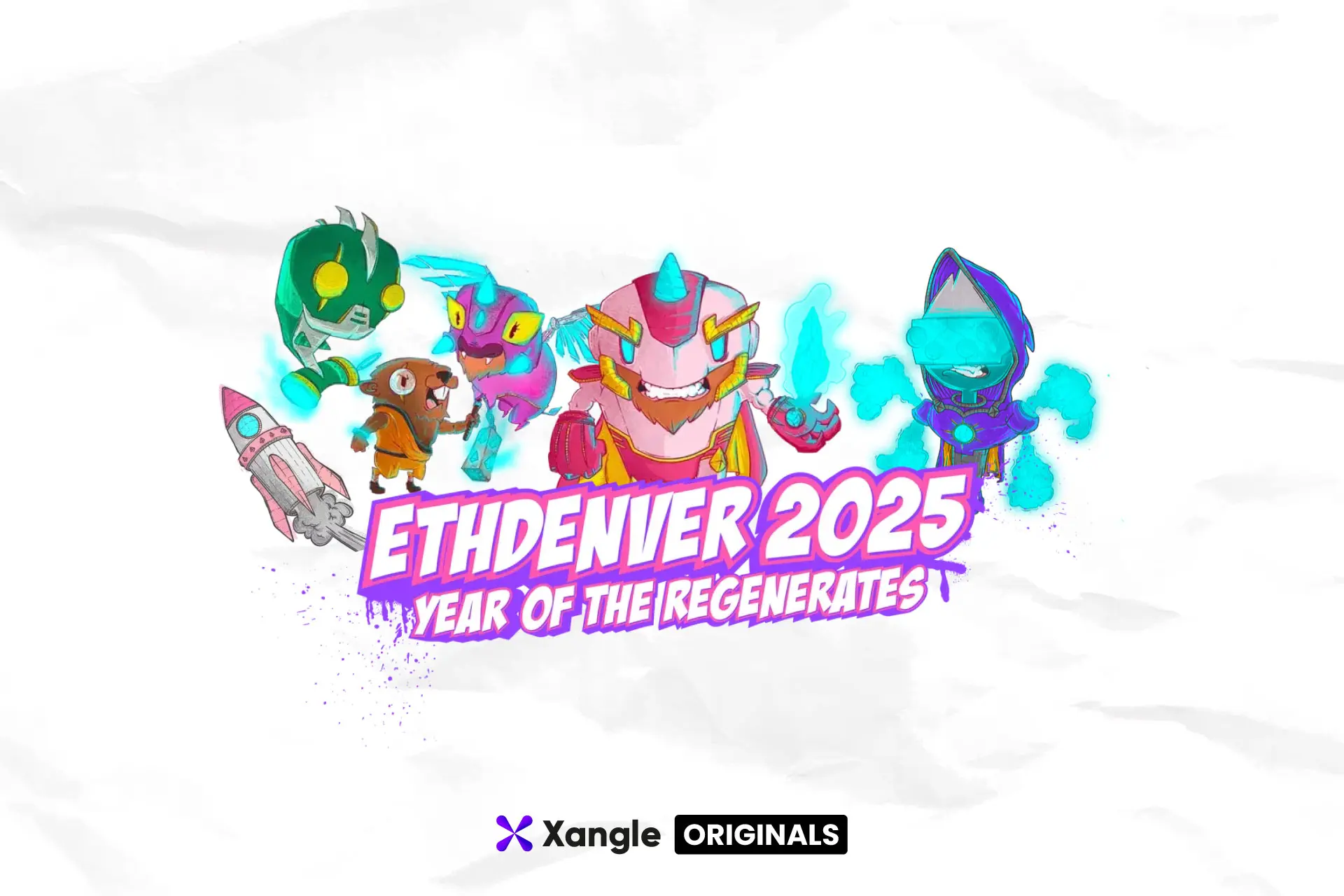
Image Source: ETHDENVER
Table of Contents
1. Introduction
2. This Year, It's "AI" Denver: Web3 for AI, by AI
2-1. The rise of AI-native blockchains enhancing scalability
2-2. Web3 UX AI agents and tooling: A more intelligent Web3 UX
3. No Single Answer: Blockchain Infrastructure Charting Its Own Path
3-1. The rapidly evolving L2 ecosystem with zkVM
3-2. Enhancing flexibility with multi-VM and hybrid solutions
3-3. Consumer chains lowering Web3’s entry barriers
4. Expanding Bitcoin’s Utility Beyond a Store of Value
4-1. Bitcoin is no longer just a passive asset
4-2. Bitcoin is Expanding in the Form of an Operating System and Layered Architecture
5. Closing Remarks
1. Introduction
The Xangle Research Team attended ETHDenver 2025, which took place from late February to early March. As one of the most influential events within the Ethereum community, ETHDenver annually brings together developers, investors, and industry stakeholders from around the world to exchange insights on the latest advancements and trends in blockchain technology. This year's theme, "Year of Regenerates," reflected the market's recovery following a prolonged bear cycle, coupled with the increasing institutionalization of the crypto industry through evolving regulatory frameworks. The event underscored blockchain’s progression beyond its traditional role as a financial infrastructure, highlighting its potential as a more sustainable and scalable technology. With recent developments such as the approval of Bitcoin and Ethereum ETFs and shifting regulatory policies in the post-Trump administration era, the cryptocurrency market has regained momentum, a sentiment that was palpable throughout ETHDenver 2025.
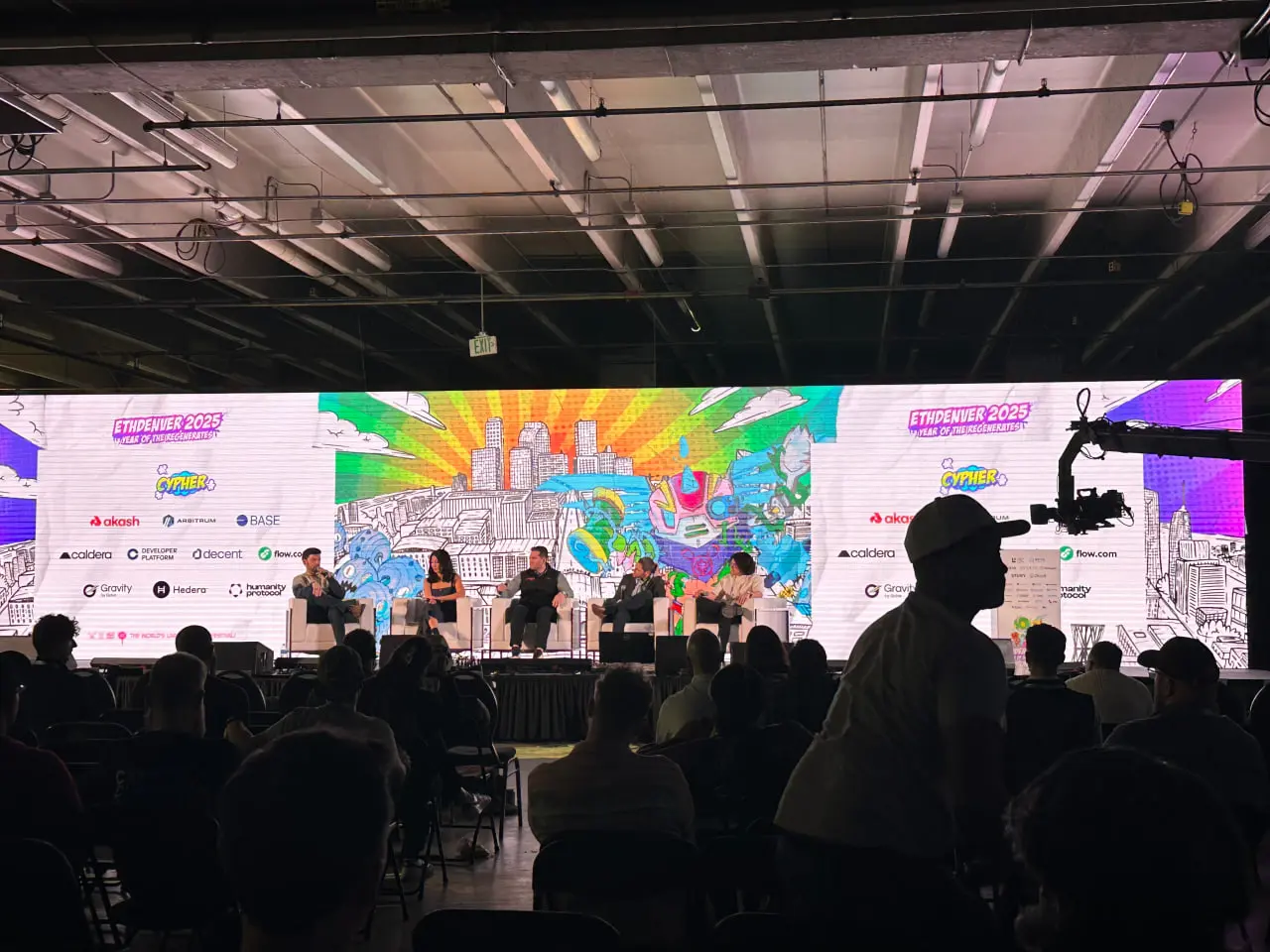
Main stage at ETHDenver
ETHDenver is structured as a decentralized event, featuring multiple stages and exhibitor booths within a single conference while concurrently hosting a range of side events. Unlike corporate-led conferences, ETHDenver is a community-driven initiative organized by SporkDAO, allowing for an extensive and diverse roster of participants, including general users, project developers, protocol engineers, investors, and legal and regulatory experts. Given this decentralized format, each attendee's experience and key takeaways can vary significantly depending on their area of focus, which is one of ETHDenver’s defining characteristics.
The discussions at ETHDenver 2025 were shaped by several emerging themes, including the convergence of AI and blockchain, advancements beyond Layer 2 with multi-VM and hybrid solutions, the rise of consumer-oriented blockchains, and the expanding utility of Bitcoin. These discussions reinforced the growing shift in blockchain’s narrative—from a simple store of value to a technology with increasingly tangible real-world applications. The Xangle Research Team actively engaged in various sessions and networking opportunities, facilitating direct conversations with industry participants to gain deeper insights. This report highlights the key themes and projects that stood out at ETHDenver 2025 and examines the direction in which the Web3 market is likely to evolve in the coming months.
2. This Year, It's "AI" Denver: Web3 for AI, by AI
2-1. The rise of AI-native blockchains enhancing scalability
ETHDenver 2025 could rightfully be dubbed "AI Denver 2025," as the fusion of AI and blockchain emerged as the central theme across both main sessions and side events. The AI market has expanded significantly, with widespread adoption across industries. However, centralized AI services face persistent limitations, including high operational costs and concerns over data censorship. At the same time, traditional blockchain networks have struggled to support large-scale AI computations and ensure efficient data availability. Addressing these challenges, a new wave of "AI-native blockchains" is gaining traction, fundamentally redesigning AI model operations, security frameworks, and incentive mechanisms. Notable projects such as Kaito, 0G, Zircuit, and KiteAI have adopted distinct approaches to integrating AI and Web3. Unlike previous attempts, where "AI" was often used as a mere buzzword, this new wave of projects is responding to real market demand, introducing complementary AI-Web3 solutions with a clear product-market fit.
Kaito, which recently completed its native token TGE and exchange listing, is carving out a niche in AI-powered search and information analysis. Unlike projects focused solely on on-chain data, Kaito aggregates insights from social platforms such as X (Twitter), helping projects refine their marketing strategies and scale their communities more effectively. Users can also earn airdrop rewards through Kaito-powered social interactions, a model that has contributed to the growing presence of "Yappers" on X. With platforms such as Cookie3 and other AI-driven data analytics solutions emerging, AI applications within Web3 are expanding rapidly. If these platforms gain traction, projects will benefit from deeper, more actionable market intelligence, while participants will have new avenues to monetize their engagement and contributions.
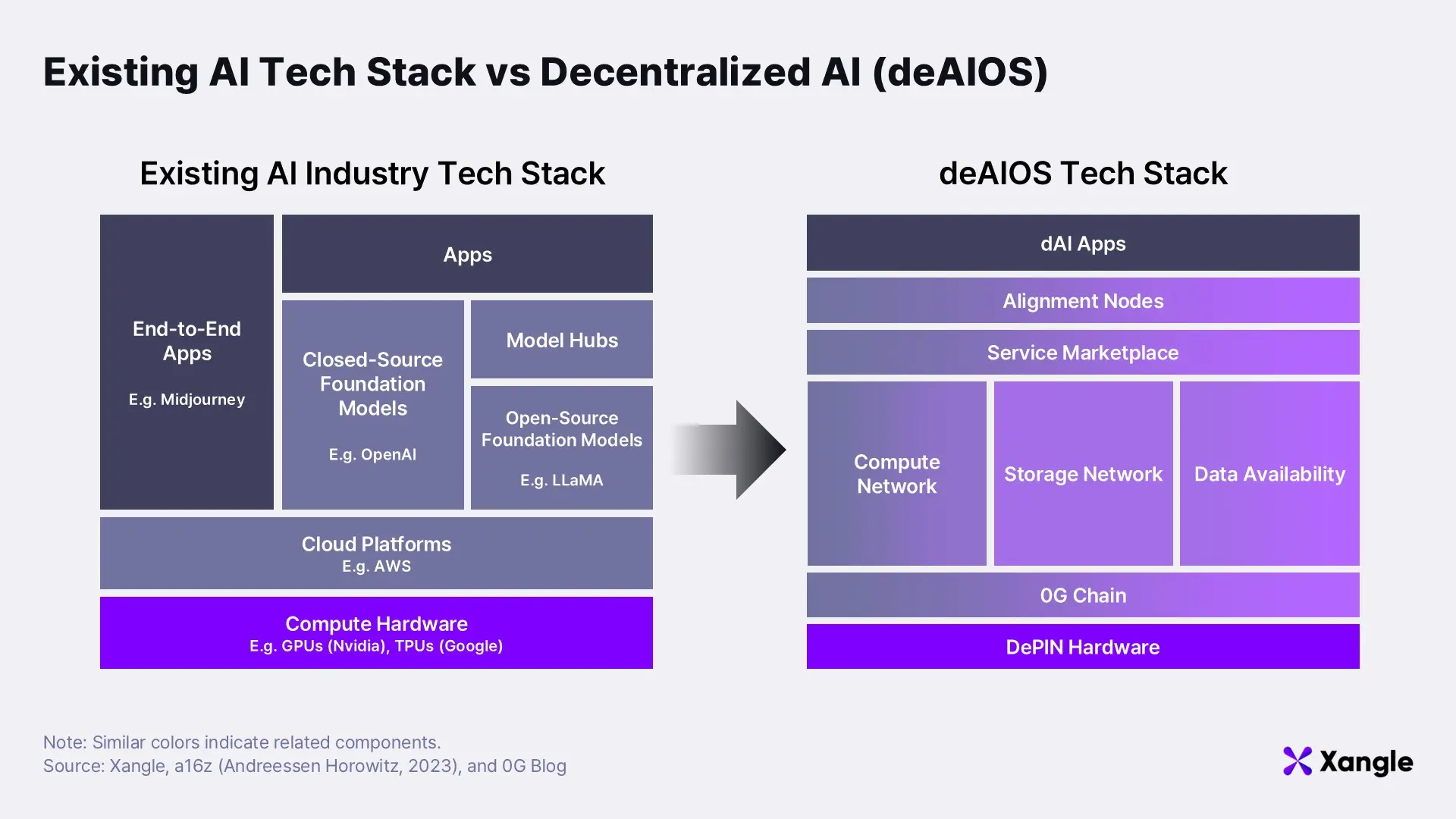
0G is an AI-native blockchain designed to facilitate decentralized AI model training and inference, overcoming the structural limitations that have historically made large-scale AI computations difficult on traditional blockchains. To achieve this, 0G has developed a decentralized AI operating system (deAIOS) and a modular architecture consisting of 0G Chain (a high-performance modular blockchain), 0G Storage (decentralized storage), 0G Compute (a decentralized GPU network), and 0G DA (a data availability layer). This modular system enables the efficient on-chain management of both physical resources, such as storage and computing power, and digital assets, such as AI models and datasets. By eliminating traditional cost and technical barriers, 0G facilitates AI model training and large-scale data storage directly on the blockchain.Positioning itself as the world's first decentralized AI operating system, 0G aims to establish AI as an uncensored public good. To drive this vision, it has launched an $88 million ecosystem fund to support AI-powered blockchain applications, particularly within DeFAI (Decentralized Finance + AI). Its modular architecture provides developers with an unprecedented level of flexibility, significantly lowering the barriers to AI development and deployment. This has fueled strong interest within the Web3 AI space, as evidenced by 0G's first-place ranking in Kaito AI's leaderboard voting.
- Explore the 0G ecosystem ahead of its anticipated TGE: https://hub.0g.ai/portfolio/token
- Xangle Research <0G, Opening the Gateway to On-Chain AI Agents> : https://xangle.io/research/detail/2169
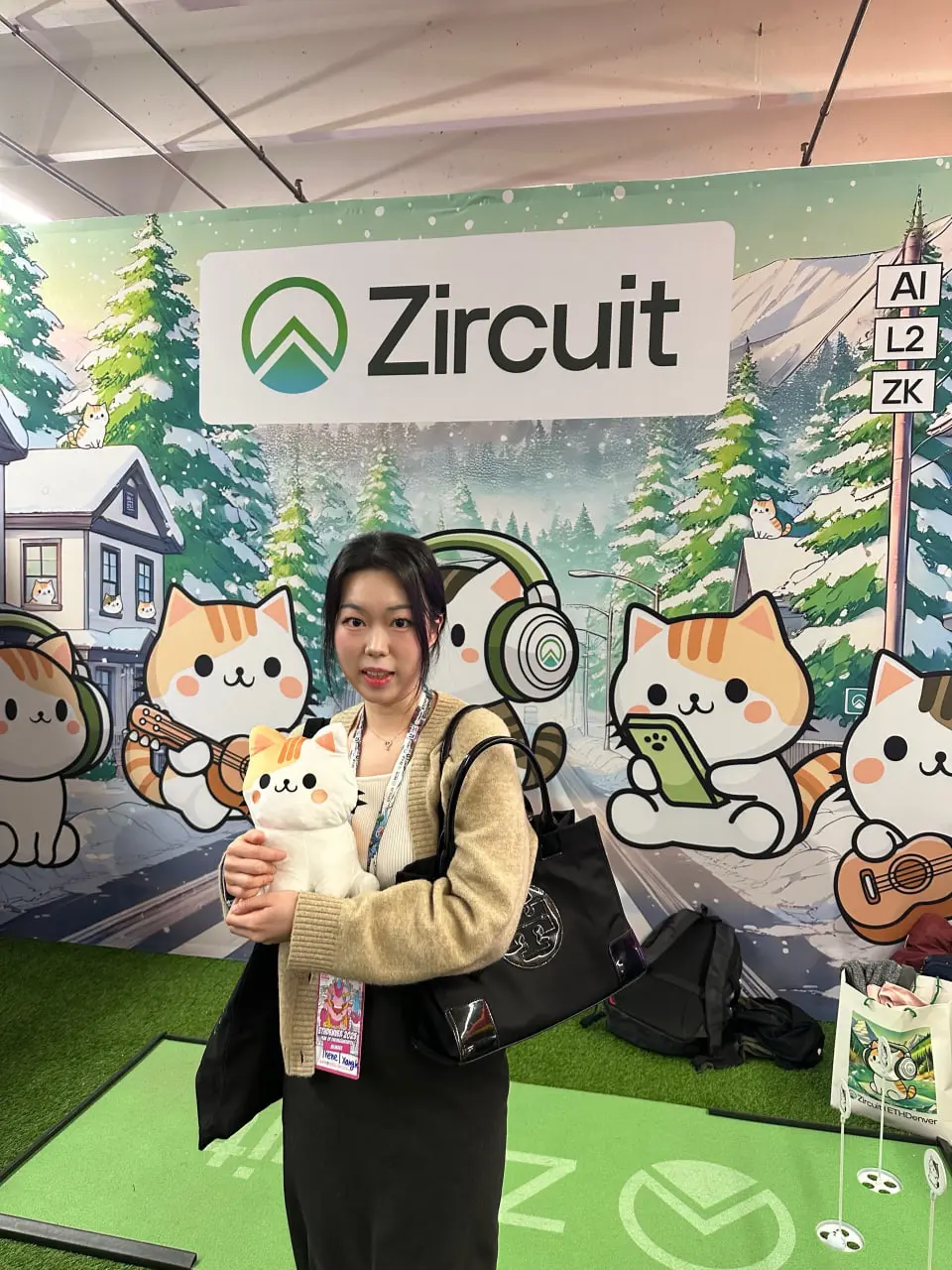
Xangle Research Analyst beams with joy after getting an adorable Zircuit cat plushie!
Zircuit, leveraging a hybrid approach that integrates Optimistic Rollup-based OP Stack with zkEVM, enhances transaction verification and network security through AI-based Sequencer Level Security (SLS). Expanding beyond Layer 2 infrastructure, Zircuit is actively developing the DeFAI ecosystem, with GudTech—a flagship AI-powered investment automation solution—enabling users to access more sophisticated DeFi strategies. During the ETHDenver 2025 #BUIDLathon, Zircuit hosted a bounty hackathon, where standout projects included Nextmate.ai, an AI-driven prediction market platform, and Silverbacks Crypto Cash, a hybrid fiat-NFT solution. These projects demonstrated blockchain’s increasing real-world applicability while also expanding AI’s role in Web3 ecosystems. In discussions with the Xangle Research Team, the Zircuit team outlined its plans to integrate multiple AI agents and expand the DeFAI sector, ultimately providing infrastructure for launching various AI services.
- Read Zircuit’s Q4 2024 report: https://xangle.io/en/research/detail/2168
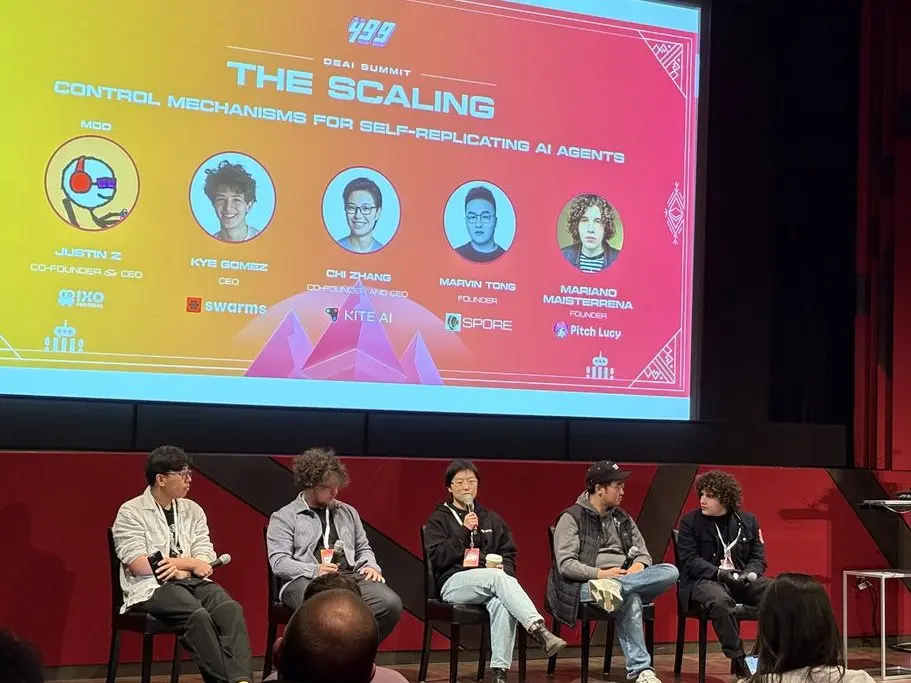
KiteAI Panel https://x.com/499_DAO/status/1897201679860486534
KiteAI, which positions itself as a custom Layer 1 blockchain optimized for AI-driven economies, employs the Proof of AI (PoAI) consensus mechanism to assess and reward AI contributions. By offering customizable subnets tailored to AI-specific workloads, KiteAI not only mitigates the scalability and performance bottlenecks of traditional blockchains but also enables more specialized AI applications. Its decentralized AI memory system and smart data indexing technology support continuous AI model training and improvement. This structure facilitates the transparent and secure accumulation of high-quality data, accelerating AI research and development while fostering a transition from closed, proprietary AI models to an open and collaborative ecosystem.
The AI-native blockchains that took center stage at ETHDenver 2025 are no longer just addressing Web3’s long-standing scalability issues. Instead, they are signaling a broader evolution in which blockchain and AI are becoming symbiotic technologies. Zircuit’s efforts to build a DeFAI ecosystem, alongside 0G and KiteAI’s AI-native blockchain infrastructures, strongly suggest that AI will play a pivotal role in shaping the next phase of Web3 innovation.
2-2. Web3 UX AI agents and tooling: A more intelligent Web3 UX
One of the most striking developments at ETHDenver 2025 was the growing discourse on how AI agents can redefine the Web3 user experience. Unlike centralized AI solutions, which lack permissionless execution, AI agents in Web3 environments can directly interact with smart contracts, making them far more versatile than conventional trading bots. While challenges such as cross-chain interoperability and AI agent hallucination (erroneous or misleading outputs) remain, the discussions at ETHDenver helped refine a critical question: "How can AI agents, when integrated with Web3, generate tangible value?"
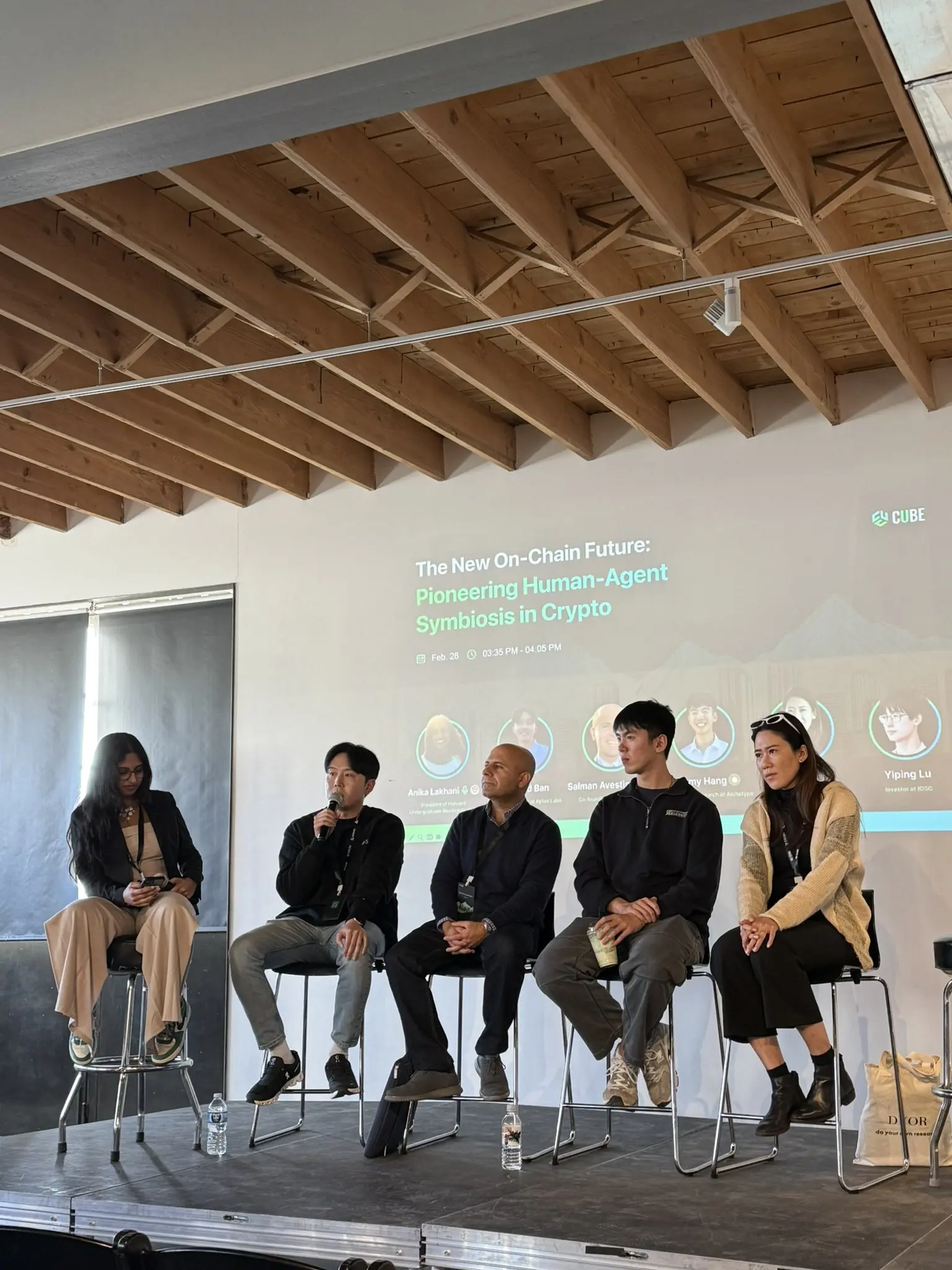
Aptos AI Agent Panel https://x.com/briannwongg/status/1895615279864136115
Among the most highly anticipated panels was the AI Agent session hosted by Aptos. As a high-performance Layer 1 blockchain originating from Meta's Diem project, Aptos utilizes parallel transaction processing (Block-STM) and the Move programming language, enabling it to handle up to 160,000 transactions per second (TPS). Leveraging this infrastructure, Aptos recently introduced an AI agent initiative that envisions a system where users can seamlessly conduct on-chain fund transfers, NFT minting, and DeFi transactions through conversational interfaces. During the panel, speakers emphasized that AI agents, by autonomously executing real-time fund transfers and interacting with smart contracts, could offer significantly faster and more precise automation compared to traditional financial AI tools. This could help alleviate Web3’s long-standing accessibility issues while paving the way for more intuitive user interactions.
- Read Aptos' AI Agent documentation: https://learn.aptoslabs.com/en/tutorials/ai-agent/setting-up-your-agent

Meanwhile, SynFutures, an on-chain perpetual futures exchange built on Base, is pushing the boundaries of AI agent usability with Synthia, an AI-powered DeFi trading agent. Users can execute on-chain trades using natural language commands, with Synthia autonomously handling order routing, risk management, and market analysis. SynFutures sees particular potential for AI-driven automation in perpetual DEX markets, where efficiency gains could be substantial. Looking ahead, the team aims to introduce the Meta Agent concept, allowing users to build and deploy their own customized AI agents. In conversations with the Xangle Research Team, SynFutures highlighted Synthia as a major step toward democratizing on-chain derivatives trading, enabling users to personalize trading strategies and risk management tools.
- Explore SynFutures’ AI roadmap: https://x.com/RachelLin_SF/status/1892822329413292149
3. No Single Answer: Blockchain Infrastructure Charting Its Own Path
3-1. The rapidly evolving L2 ecosystem with zkVM
At ETHDenver 2025, the rapid advancements in the Layer 2 (L2) ecosystem stood out even more than Ethereum's own protocol updates. With rollup technology now entering full-scale commercialization, projects are increasingly adopting zero-knowledge (ZK) technology to enhance performance, security, and developer experience. While zkEVM, which prioritizes Ethereum compatibility, initially dominated, a growing shift toward zkVM is now evident. By enabling proof generation for any LLVM-compiled language, zkVM expands the blockchain developer ecosystem beyond Solidity-based applications. A major highlight of this year’s event was the widespread adoption of Succinct’s SP1 (zkVM) and its decentralized prover network across multiple L2 projects, signaling a leap forward in the generalization of ZK technology.
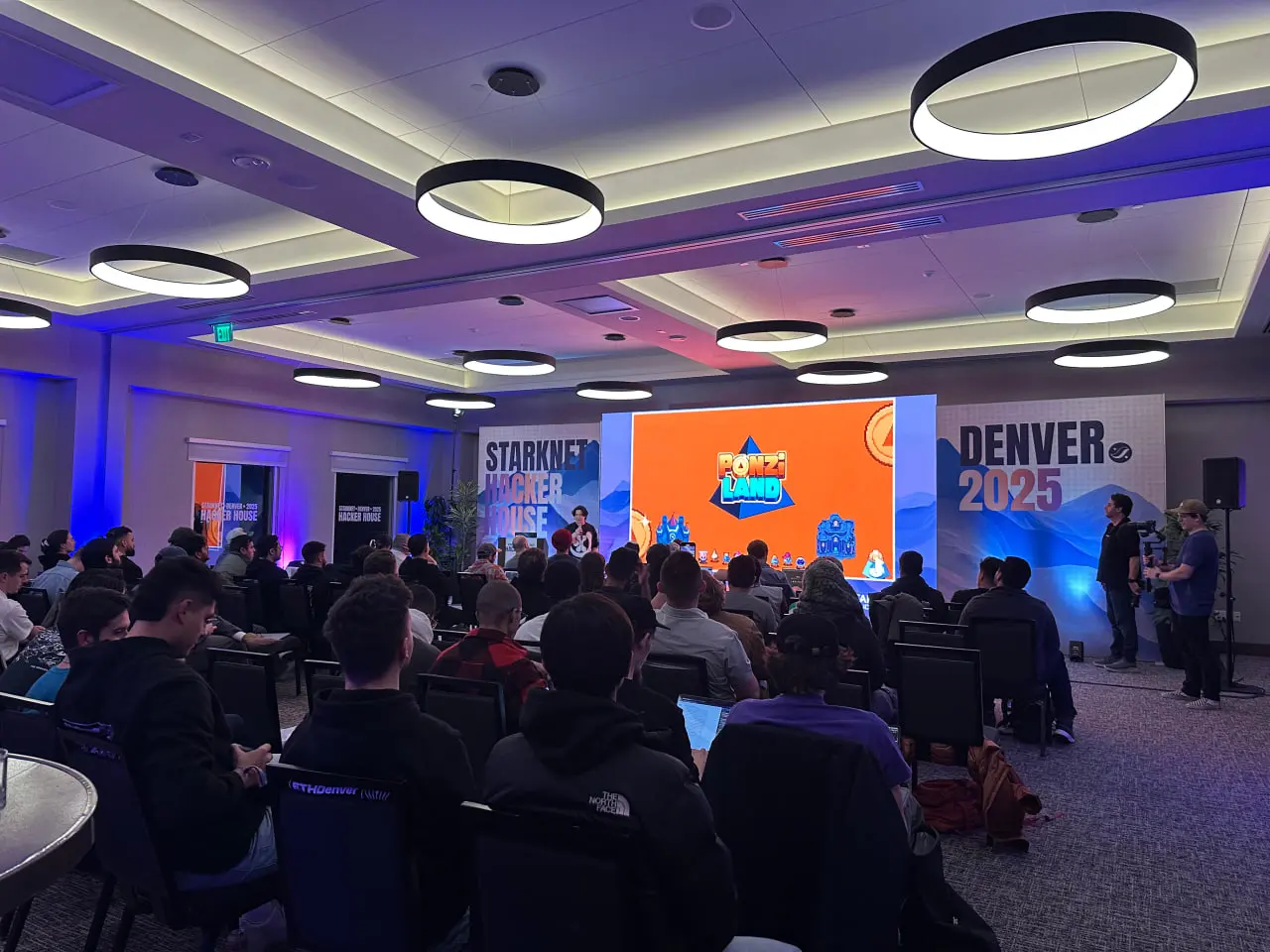
Starknet Hacker House
Among these projects, Starknet continues to establish itself as a next-generation ZK rollup, leveraging STARK proofs to enhance both scalability and security on Ethereum. Starknet, which has already been validated by projects such as Immutable and dYdX, hosted a hacker house where various on-chain applications, including PonziLand, a51 Finance, and Stratifi (formerly SLM), were showcased.
- PonziLand is a 100% on-chain DeFi game independent of any single token, integrating a unique mechanism with engaging gameplay.
- a51 Finance is an LP-centric automated market maker (AMM) that maximizes efficiency through automated liquidity provisioning and rehypothecation, allowing idle funds to be reused.
- Stratifi, formerly known as SLM, combines performance and risk management tools to enable automated liquidity management and options trading strategies tailored to market conditions.
The hacker house fostered an intense "war room" atmosphere, where developers engaged in non-stop development and idea exchange. Conversations with the Xangle Research Team revealed that Cairo, Starknet’s programming language, has become significantly more accessible due to its similarities with Rust, lowering entry barriers and improving optimization for STARK proof generation. As part of its roadmap, Starknet plans to introduce an appchain (L3) framework called Madara and integrate native account abstraction (NAA) to process large-scale transactions while expanding into both the Ethereum and Bitcoin ecosystems, solidifying its role as a leading rollup solution.
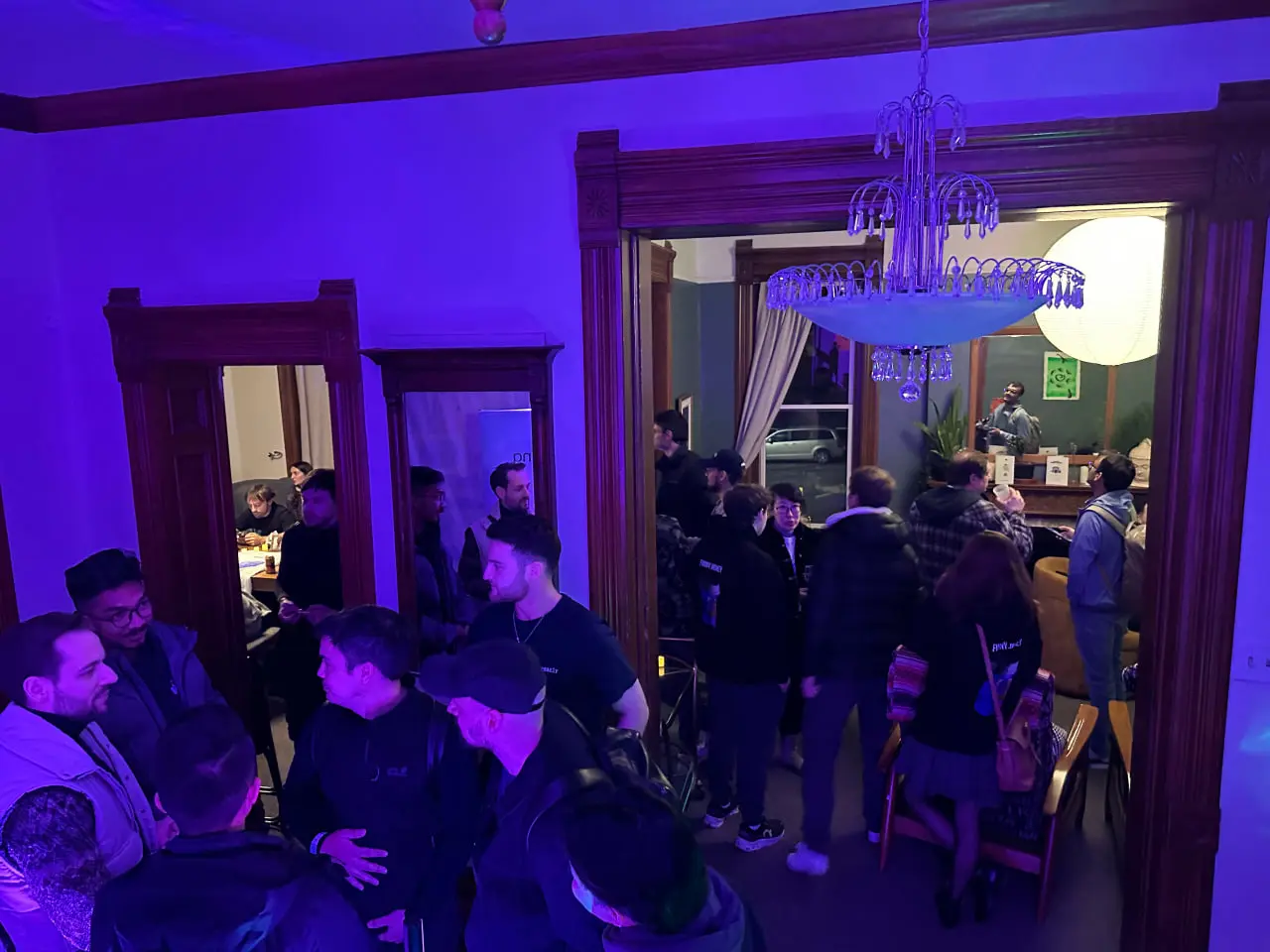
Mantle DeFi Meetup
Meanwhile, Mantle Network, which originally launched as an Optimistic Rollup, is now transitioning into a ZK Validity Rollup by integrating Succinct’s SP1 technology. Mantle is positioning itself as a comprehensive on-chain financial infrastructure, having already deployed EigenLayer-based liquid staking (mETH) and bridge solutions like FunctionBTC. Recently, it introduced DeFAI (Decentralized Finance + AI) platforms such as Funny Money and INFINIT Terminal.
- Funny Money serves as both an AI agent launchpad and a DeFi terminal, allowing users to execute perpetual trades, staking, and auto-compounding strategies through text commands while earning rewards such as $PILL tokens.
- INFINIT Terminal offers a similar AI-powered trading interface, expanding Mantle’s ecosystem through airdrop-based incentives.
Additionally, Mantle is reinforcing community engagement through the BOYS NFT collection, demonstrating a unique approach that combines AI, DeFi, and NFTs. By integrating these elements, Mantle showcased how AI-driven automation and community engagement can create additional value in ZK-powered L2 networks, leaving a strong impression at ETHDenver.
3-2. Enhancing flexibility with multi-VM and hybrid solutions
As rollup technology evolves, projects like Initia are prioritizing both developer and user experience by introducing multi-VM environments that enable seamless appchain (rollup) deployment. Whereas traditional EVM rollups have been confined to a single execution environment, Initia’s modular blockchain architecture supports EVM, MoveVM, and WasmVM, allowing developers across different blockchain ecosystems to choose the most suitable execution environment rather than being restricted to a single framework. To achieve this, Initia integrates the Cosmos SDK-based Interwoven Stack, facilitating smooth interoperability between different VMs. Additionally, it combines the CometBFT consensus engine with MoveVM, ensuring both scalability and security. Furthermore, Hermes Relayers (IBC) and Minitswap enable seamless rollup-to-rollup asset transfers and interoperability, addressing one of the key UX challenges in the rollup ecosystem.

Korean barbecue with Eclipse ASC NFT holders
Meanwhile, Eclipse is pioneering an SVM (Solana Virtual Machine)-based Layer 2 that combines Ethereum’s security with Solana’s high-performance parallel execution architecture. Unlike traditional single-threaded EVM-based rollups, which are inherently limited in transaction processing speed, Eclipse leverages Solana’s Sealevel parallel execution engine to process multiple transactions simultaneously. Eclipse retains Ethereum as its settlement layer while utilizing Celestia for data availability (DA), achieving both security and cost efficiency. Additionally, the integration of Neon EVM and the Solang compiler allows EVM smart contracts to be executed directly in the SVM environment, enabling Ethereum developers to onboard seamlessly. Another noteworthy aspect of Eclipse’s ecosystem is its use of ASC (After School Club) Genesis NFTs to drive community participation. As Eclipse moves toward its mainnet launch, its ability to combine Solana’s execution efficiency with Ethereum’s ecosystem will be a key factor to watch.

At ETHDenver, it became clear that Initia and Eclipse are not only advancing technological innovation but also excelling in strategies that amplify community-driven network effects. Both projects are designed to interconnect multiple blockchain ecosystems, naturally fostering engagement between developers and users. This approach was on full display as Initia and Eclipse co-hosted a community event at ETHDenver, demonstrating the strength of their collaborative, ecosystem-driven synergy. What sets these projects apart is their focus—not on debating which virtual machine (VM) or technology stack is superior—but on building inclusive and accessible infrastructure that can be adopted by anyone. Rather than catering to a specific developer group or ecosystem, both projects are committed to creating a broader and more open onboarding environment. This reflects a key shift in Web3: long-term growth hinges not solely on technical superiority but on organic, community-led expansion as a fundamental strategy. With both projects approaching their respective mainnet launches, it will be particularly interesting to observe how they continue to expand their developer and user communities, shaping the next phase of Web3’s evolution.
3-3. Consumer chains lowering Web3’s entry barriers
One of the biggest obstacles to Web3 adoption remains its complex user experience and high transaction costs. To address this, Sophon and Somnia are each taking distinct approaches: Sophon focuses on enhancing Web3 UX for entertainment-based applications, while Somnia is building a high-speed, low-cost blockchain infrastructure to support large-scale user onboarding. Through these different strategies, both projects aim to significantly lower Web3’s entry barriers and create a more accessible environment for mass adoption.
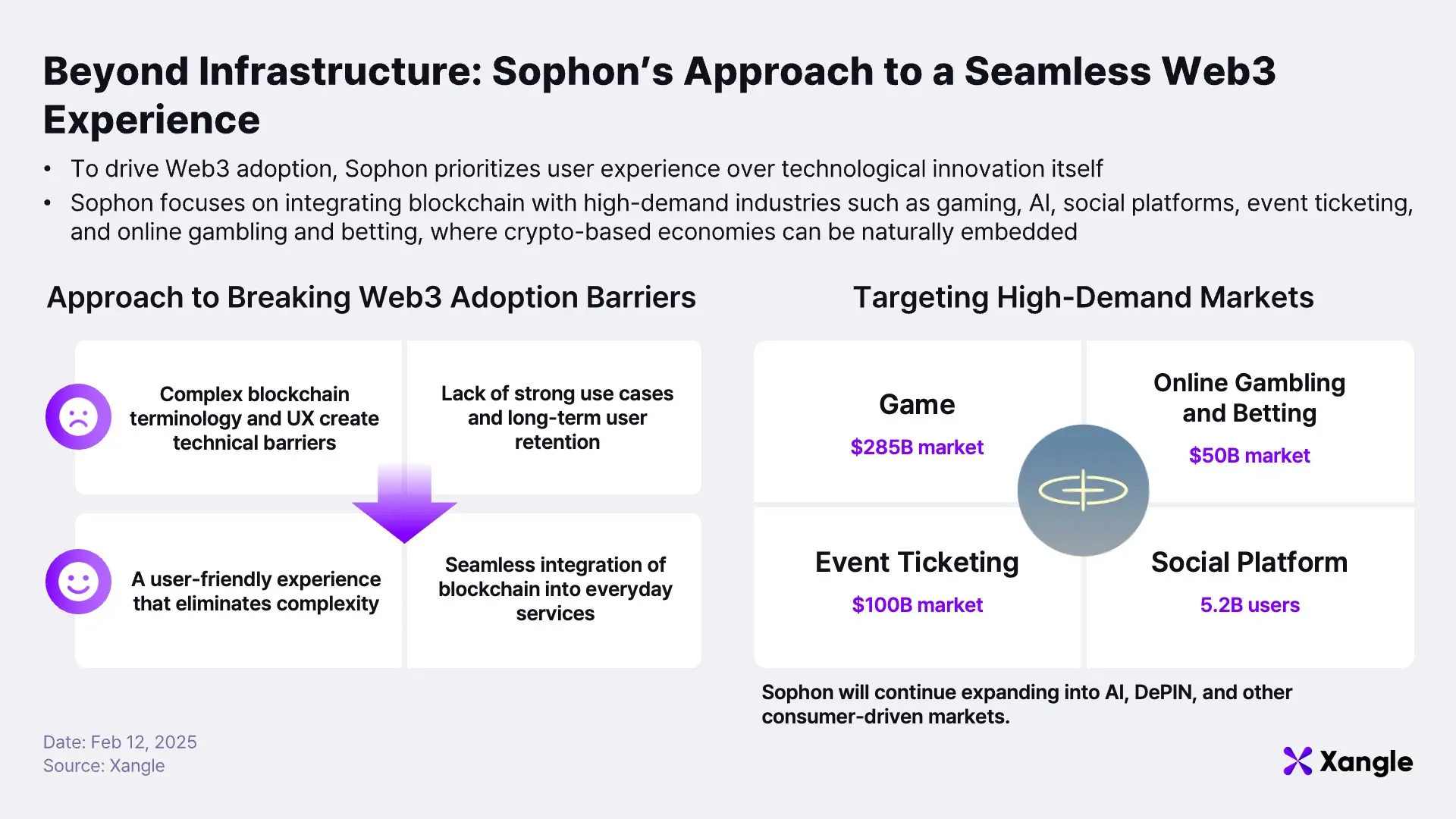
Sophon aims to make mainstream-friendly services—such as gaming, ticketing, sports betting, and AI—seamlessly available in a Web3 environment. To this end, it utilizes a ZKsync-based Elastic Chain to ensure high scalability and interoperability, while also adopting an Avail DA-based Validium solution to maximize security and cost-efficiency. Notably, Sophon employs zkTLS (Zero-Knowledge Transport Layer Security) to transfer the trustworthiness of existing Web2 services into the Web3 domain, enabling on-chain verification of data integrity without revealing personal information. Also, it is expanding Web3 applications that offer a user experience similar to Web2 by collaborating with projects like Rivalry (sports betting), CARV (gaming and AI data), and OPEN (on-chain ticketing). Furthermore, through its Agentic Economy model, Sophon promotes a data economy by combining DePIN (decentralized physical infrastructure) with AI agents.
- Read Xangle’s research article on Sophon: https://xangle.io/en/research/detail/2173
Somnia, on the other hand, aims to build a high-performance blockchain capable of processing up to 1 million transactions per second (TPS) with sub-cent gas fees. To achieve this, it has developed IceDB and Multistream Consensus, optimizing network speed while addressing two of the most significant limitations of traditional blockchains—network congestion and high transaction costs. Additionally, by incorporating Reactive Blockchain technology, Somnia enables real-time responsiveness of on-chain data, making it particularly well-suited for applications that require instant updates, such as social networks, on-chain gaming, and real-time financial services. Somnia recently entered the testnet live phase, drawing increasing attention as it moves toward full-scale deployment (https://testnet.somnia.network/). In discussions with the Somnia team, the Xangle Research Team gained deeper insight into their vision of leveraging Web3 technology to address long-standing inefficiencies in the retail and entertainment industries. With extensive experience in these sectors, the Somnia team is committed to redefining traditional industry models through blockchain-based solutions, ultimately delivering a more seamless and innovative user experience.
4. Expanding Bitcoin’s Utility Beyond a Store of Value
4-1. Bitcoin is no longer just a passive asset
Bitcoin has long been perceived primarily as a store of value, but recent developments indicate a growing push to enhance its utility. No longer confined to passive storage, Bitcoin is increasingly being leveraged to enhance network security and integrate into on-chain financial systems, transforming it into a core component of blockchain infrastructure. ETHDenver 2025 featured a strong presence of teams leading this evolution, with Babylon and Cornstanding out as key projects maximizing Bitcoin’s security and functionality. Discussions with these teams provided valuable insights into how Bitcoin is being repositioned as an essential element in on-chain finance and network security, rather than simply a static asset.
Babylon has garnered significant attention since introducing its concept of Bitcoin staking to enhance Proof-of-Stake (PoS) security two years ago. Traditionally, PoS networks require staking their own native tokens to secure the network. Babylon, however, proposes an alternative approach: staking Bitcoin to support PoS chains, enabling them to achieve robust security without the inflationary pressure of native token issuance. Simultaneously, Bitcoin holders gain an additional yield-generating mechanism, introducing a new economic incentive beyond mere asset storage. A key innovation of Babylon’s model is its non-custodial staking mechanism, which allows users to stake BTC without relinquishing ownership, thereby maintaining security and decentralization. According to Babylon’s roadmap, the project is set to launch the Babylon Chain, a Bitcoin security network and blockchain security marketplace. The next phase includes the introduction of multi-staking functionality, enabling BTC to secure multiple networks simultaneouslywhile generating rewards across different ecosystems.
- Babylon is accepting registrations for BTC staking participants and other engagement-based airdrop opportunities until March 15: airdrop.babylon.foundation

Kaito x Corn Event
Corn, another emerging project, is focused on maximizing Bitcoin’s liquidity in on-chain environments. It was highlighted as a pre-TGE project on the Kaito Leaderboard, a platform reflecting growing social media trends in the crypto space. Designed as an EVM-compatible Layer 2 network built on Arbitrum Orbit, Corn introduces a unique model where BTC serves as the network’s native gas token through BTCN (Bitcorn). BTCN is a 1:1 Bitcoin-backed asset, custodied by Coinbase and BitGo, enabling users to interact with BTC on-chain without complex bridging processes. This innovation significantly enhances Bitcoin’s usability within DeFi, gaming, and other on-chain financial applications. Furthermore, integrations with Thorchain and LayerZero ensure interoperability between Bitcoin and other blockchain networks, strengthening its role as a cross-chain asset. Corn also plans to incorporate Babylon’s Bitcoin staking model to further secure its network while building a sustainable Bitcoin-based economic framework. In discussions with the Xangle Research Team, the Corn team demonstrated deep expertise in both Bitcoin and DeFi ecosystems, reflecting years of experience in the sector. Their approach aims to overcome the limitations of traditional Bitcoin bridging models, paving the way for BTC to become a core asset in on-chain finance and Layer 2 ecosystems.
4-2. Bitcoin is Expanding in the Form of an Operating System and Layered Architecture
Despite its dominant market capitalization and deep liquidity, Bitcoin has long been constrained by limited programmability, lacking native token standards and smart contract functionality. While newer blockchains such as Ethereum and Solana have introduced advanced programmability, Bitcoin’s position remains unchallenged. Since the emergence of Ordinals NFTs in 2022, projects like BitcoinOS and Nubit have been actively working to extend Bitcoin’s utility beyond a store of value, developing operating system (OS) and data availability (DA) layers that enhance its role as a programmable blockchain. With increasing advancements in ZK rollups and data availability solutions, Bitcoin is now being positioned as more than just a financial asset—it is evolving into a multi-functional blockchain platform capable of supporting complex applications.
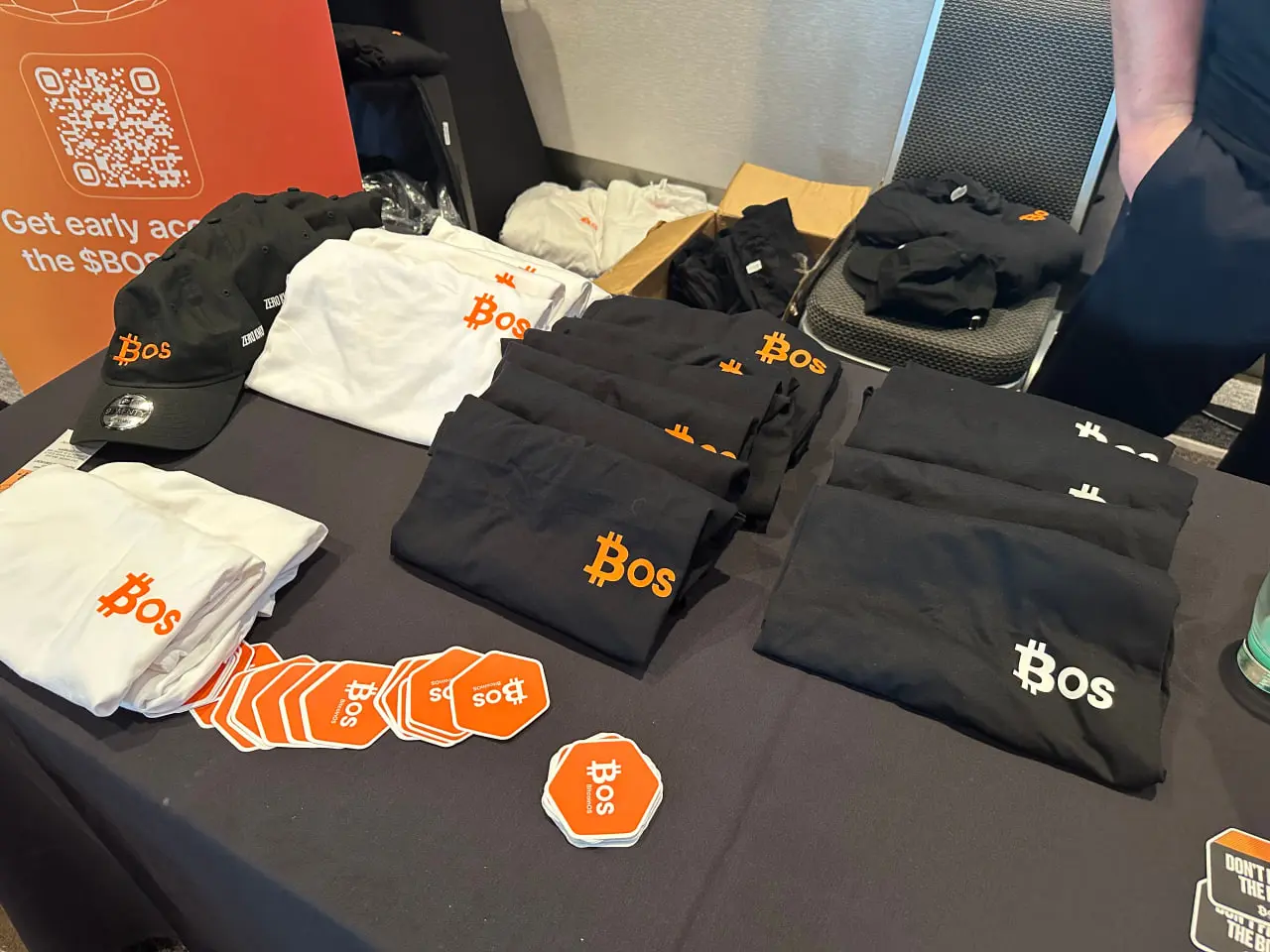
BitcoinOS is a pioneering project in this movement, building an expansion layer to enable ZK rollups on Bitcoin. A significant milestone was achieved with its BitSNARK technology, which successfully implemented ZK proof verification on Bitcoin for the first time, opening up new possibilities for smart contract execution on the network. Ultimately, BitcoinOS aims to develop a modular rollup ecosystem on Bitcoin, allowing developers to leverage the network’s security while benefiting from enhanced scalability. BitcoinOS has already open-sourced its BitSNARK verification protocol and is actively developing Grail Bridge, a decentralized cross-chain bridge, and Merkle Mesh, a large-scale parallel ZK verification network. To support network operations and incentives, the project is currently conducting a pre-sale for its native $BOS token. If BitcoinOS successfully executes its roadmap, it could play a pivotal role in shaping the future of Bitcoin’s rollup ecosystem.
Nubit, on the other hand, focuses on expanding Bitcoin’s data availability and programmability through Nubit DA (Data Availability) and BitVM. The Nubit DA layer is designed to maintain Bitcoin’s security while supporting large-scale data storage and verification, enabling applications such as Ordinals, Layer 2 networks, and on-chain oracles. Meanwhile, BitVM extends Bitcoin’s scripting capabilities to enable complex smart contract execution, bringing its programmability closer to Ethereum’s. Nubit has also developed BitVM IDE, a tool that allows developers to verify ZK proofs and test smart contracts, creating an essential infrastructure layer for expanding Bitcoin’s use cases.
At a Nubit-hosted event, discussions centered on Bitcoin’s data availability and programmability enhancements. Co-founder Hanzhi introduced Bitcoin Thunderbolt, describing it as a Bitcoin Boosting Network designed to facilitate the creation, transfer, and verification of native Bitcoin assets. Thunderbolt aims to optimize asset management through Goldinals, while improving the efficiency of Bitcoin-based DeFi and DAOs. A detailed roadmap is expected to be released soon. BitVM creator Robin Linus also took the stage to explain the core principles of the BitVM Paradigm, emphasizing that "it is easier to disprove a false claim than to execute a correct one." This concept underpins Bitcoin’s smart contract expansion, as it relies on dispute-based validation rather than direct execution. Linus also provided updates on the development of BitVM Bridge, highlighting challenges in implementing light clients and revealing plans to launch a production-ready version later this year. The event offered valuable insights into the ongoing evolution of Bitcoin’s scalability solutions, showcasing diverse technical approaches to on-chain data storage, verification, and smart contract execution. As projects like Nubit DA and BitVM continue pushing the boundaries of Bitcoin’s capabilities, the potential for Bitcoin to evolve into a full-fledged multi-functional blockchain platform is becoming increasingly tangible.
5. Closing Remarks
ETHDenver 2025 unfolded in an atmosphere of renewed energy, driven by the approval of Bitcoin and Ethereum ETFs last year and the broader shift toward regulatory easing following the Trump administration. The event underscored the rapid evolution of the Web3 ecosystem beyond financial infrastructure, with key trends emerging across multiple fronts: the integration of AI and blockchain (Section 2), the expansion of infrastructure through zkVM and multi-VM architectures (Section 3), and efforts to enhance Bitcoin’s functionality and liquidity (Section 4). These developments reflect Web3’s accelerating expansion into industries such as AI, data, gaming, and entertainment.
A particularly notable takeaway from this year’s ETHDenver was the increasing number of projects forging their own paths rather than aligning with a single dominant chain or prevailing narrative. This reinforced the idea that there is no single correct approach in Web3. As the market continues to navigate both technological innovation and regulatory developments, Web3 is poised to advance through a model of diversification and independent experimentation. The trends and ecosystem shifts observed at ETHDenver 2025 provide key insights into the direction of the digital asset market over the next year. The extent to which new use cases emerge and drive broader adoption will be a crucial factor in determining Web3’s trajectory. As blockchain technology continues to evolve, this year’s ETHDenver offered a glimpse into the next phase of its real-world impact.
Disclaimer
I confirm that I have read and understood the following: The information contained in this article is strictly the opinions of the author(s). This article was authored free from any form of coercion or undue influence. The content represents the author's own views and does not represent the official position or opinions of CrossAngle. This article is intended for informational purposes only and should not be construed as investment advice or solicitation. Unless otherwise specified, all users are solely responsible and liable for their own decisions about investments, investment strategies, or the use of products or services. Investment decisions should be made based on the user’s personal investment objectives, circumstances, and financial situation. Please consult a professional financial advisor for more information and guidance. Past returns or projections do not guarantee future results.
Xangle or its affiliated partners own all copyrights of the written or otherwise produced materials and content provided on the platform. Any illegal reproduction of such content, including, but not limited to, unauthorized editing, copying, reprinting, or redistribution will result in immediate legal actions without prior notice.