Web3 Is the Zeitgeist

1. Why Web3 Is Necessary
“Why do we need Web3?” This question has stayed with me throughout my years in the crypto industry — one I’ve continuously tried to answer. To be candid, for most of us, including myself, the initial reason for entering this industry was simple: to make money. Yet as someone who conducts research and studies countless projects, I’ve also sought to understand why this industry matters and why it ultimately feels inevitable. Much like how a16z’s Chris Dixon found his answer in the keyword “Own,” I’ve gradually found my own perspective after observing the industry’s evolution over the years. This essay is part of that process; an attempt to articulate why Web3 is necessary and how it could emerge as the defining spirit of our time.
2. Inequality Erupts into Social Unrest
You might wonder why the discussion starts with inequality, but let’s take a step back.
Across the world, protests and movements fueled by wealth disparity are spreading rapidly. France is a prime example. The nationwide “Block Everything” protests erupted in opposition to the government’s austerity budget. While the official rationale was fiscal balance, the burden fell disproportionately on low- and middle-income households, sparking outrage. Public frustration over France’s widening inequality had already been mounting, and concerns that austerity would exacerbate the problem rather than solve it became the spark that ignited the protests. Demonstrators chanted slogans such as “The Republic of the Rich Elite,” expressing their anger toward political and economic power concentrated at the top.

(Source: AP/Yonhap News)
Meanwhile, Nepal saw an even more violent uprising. When the government blocked access to social media platforms, youth-led protests spread nationwide, eventually forcing the Prime Minister to resign. Within a single day, 19 people were killed, and government officials were attacked — escalating into a deadly crisis. Beneath the immediate outrage over censorship lay a deeper frustration — systemic inequality of opportunity and economic despair. Youth unemployment exceeds 20%, and while many young Nepalis are forced to leave the country in search of work, the nation’s key industries and high-ranking public offices remain dominated by entrenched political dynasties. The social media ban simply became the flashpoint for anger long building against these privileged networks.
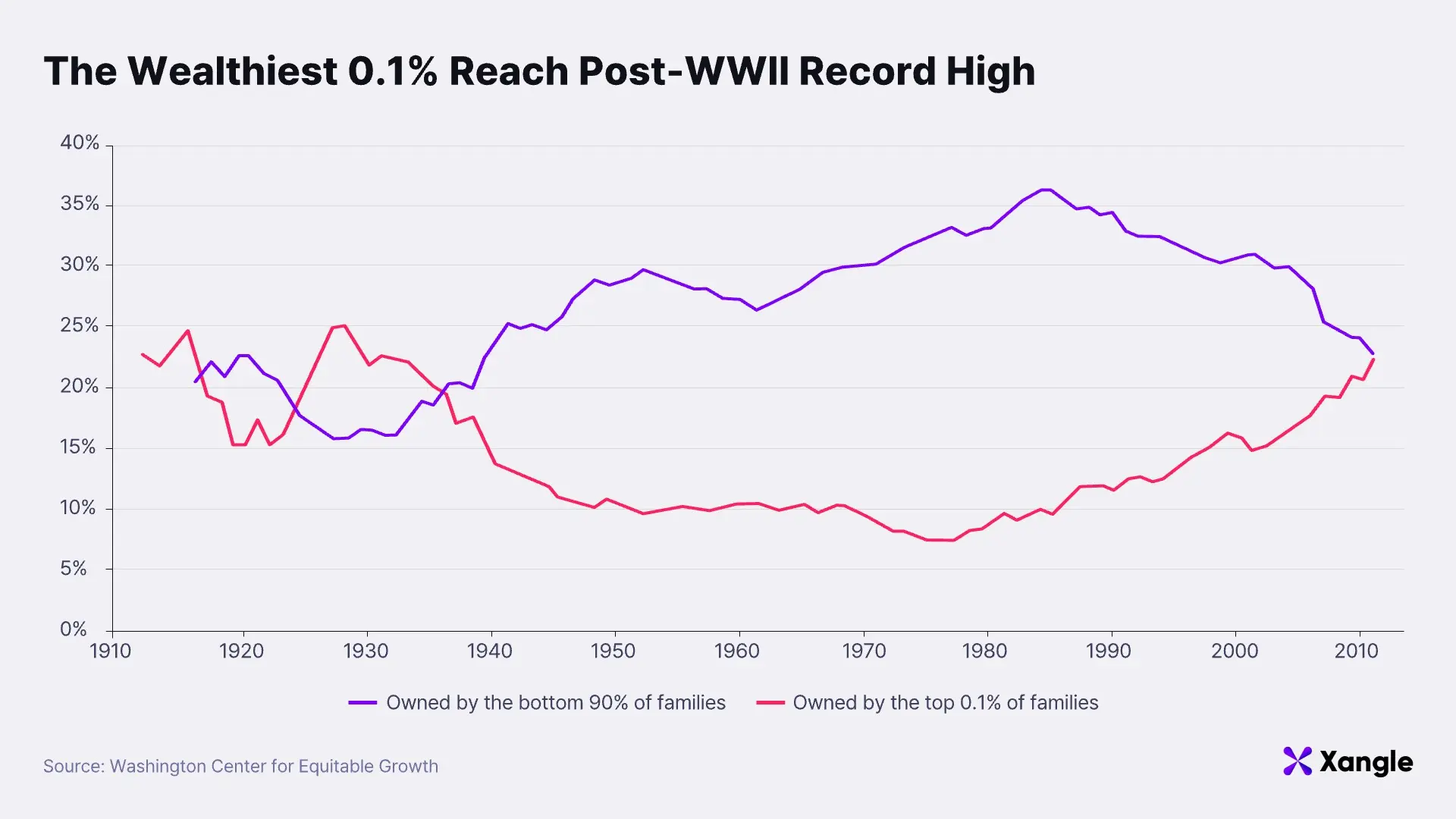
The roots of such conflicts lie in decades of deepening inequality. Data makes this divide unmistakably clear. In the United States, for example, the top 0.1% of the population now holds over 20% of total national wealth, which is the highest level of concentration since the Great Depression. Meanwhile, the bottom 90%’s share has fallen from roughly 35–36% in the mid-1980s to around 23% today, effectively reverting to the levels seen a century ago. As shown below, the extreme inequality that defined the early 20th century has returned in the 21st.
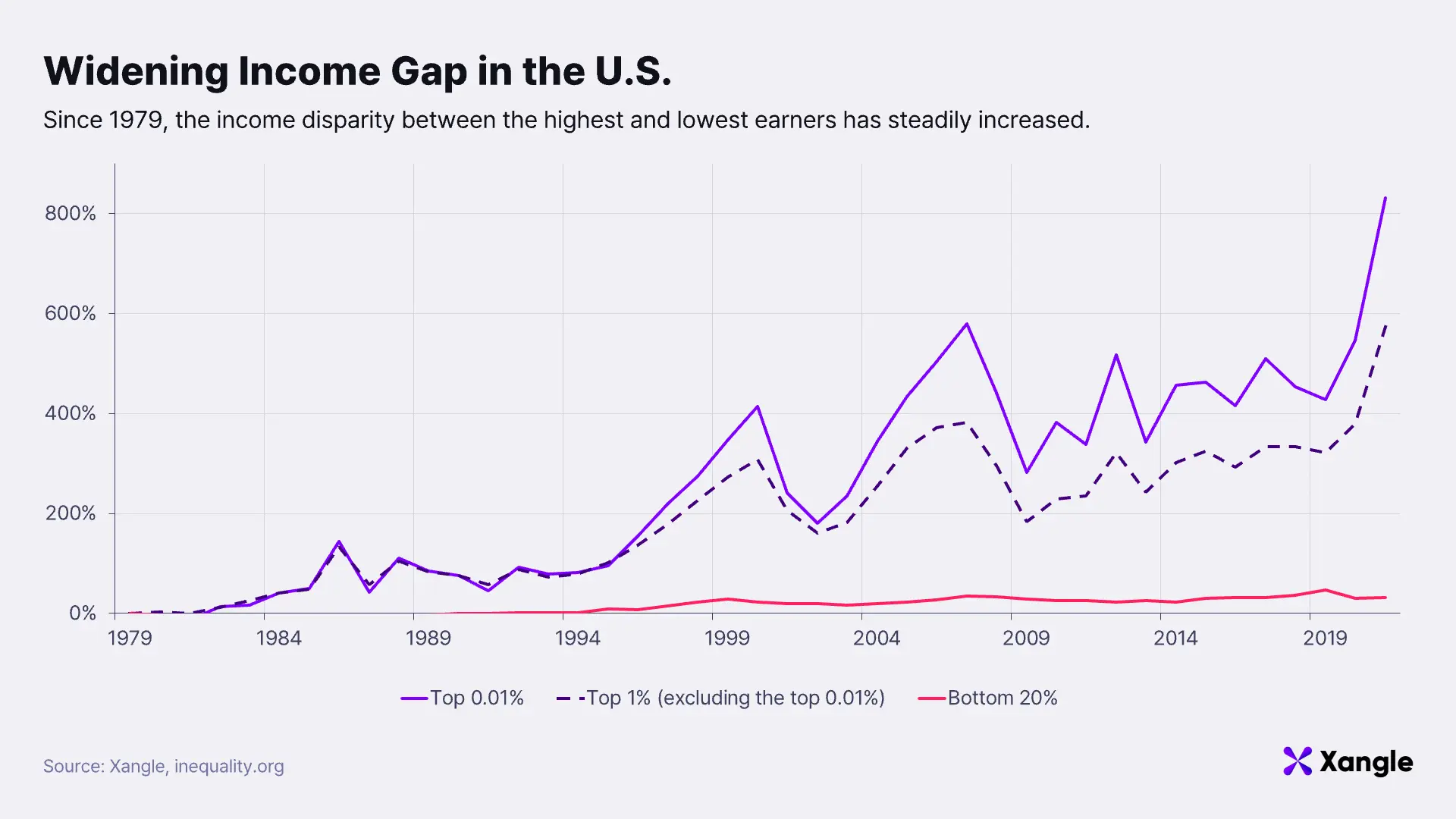
Will this gap narrow naturally over time? It’s unlikely. In the 1950s through the 1970s, high global growth and abundant employment lifted wages across the board, temporarily easing inequality. Today, however, the opposite is true. Income polarization between upper and lower classes continues to widen as disproportionate rewards flow to a small number of individuals generating immense value through AI and advanced technology. The imbalance will likely deepen by 2025 and 2030. Meta’s offer of a $250 million, four-year compensation package to a 24-year-old AI researcher, roughly ₩350 billion, became a symbol of this new wage divide. Meanwhile, CEOs of S&P 500 companies now earn 290 times the average worker’s pay, up from 21 times in 1965, which is a tenfold increase. These figures starkly illustrate the acceleration of labor income polarization.
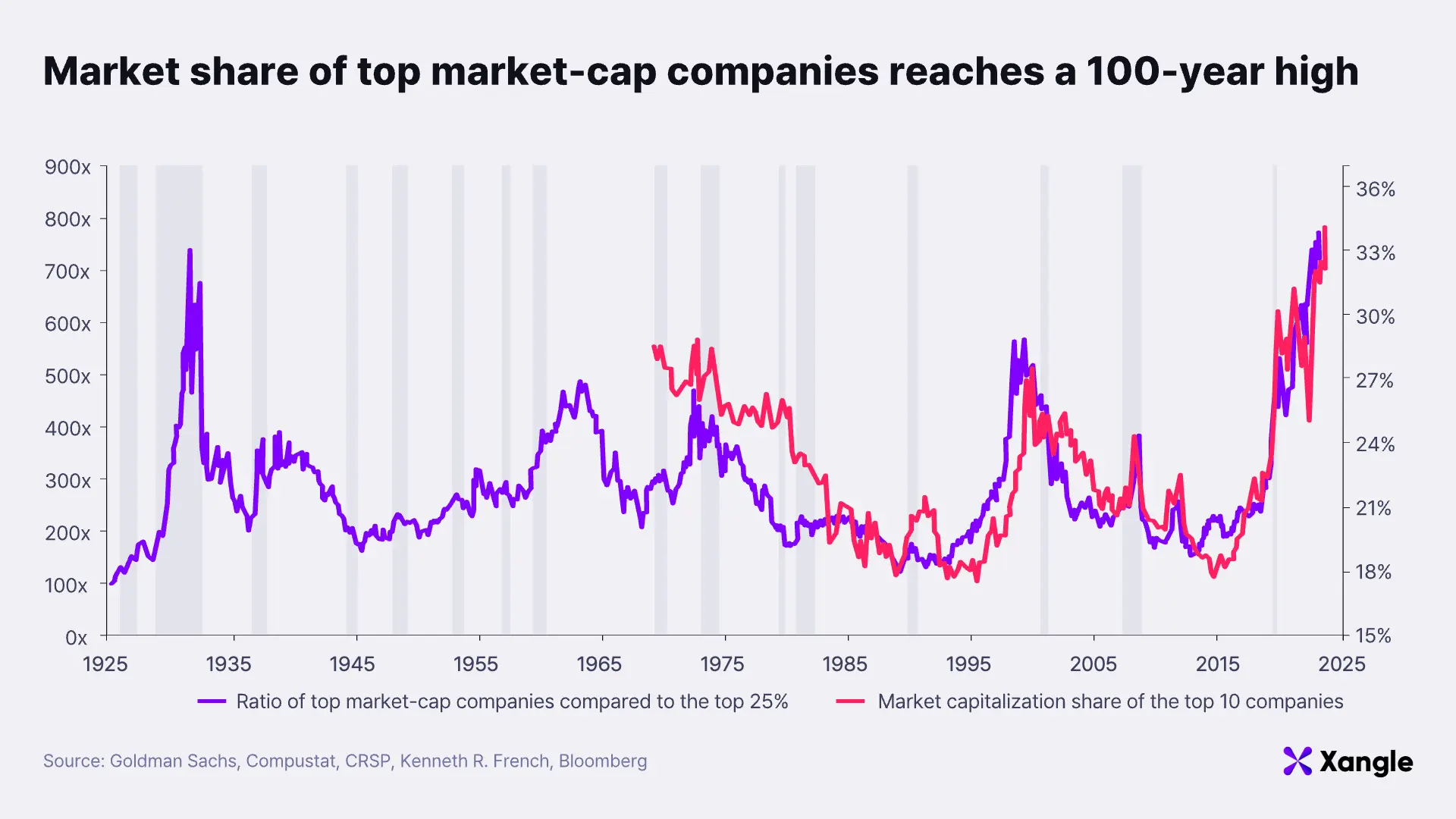
From an industrial perspective, the concentration of wealth among corporations has also reached historic extremes. The world’s top 10 technology giants, including Microsoft, Apple, Alphabet, Amazon, and NVIDIA, now account for a record share of global equity market capitalization, surpassing even the peaks of the 1920s and the “Nifty Fifty” era of the 1970s. The top 10 firms in the S&P 500 have seen their share rise from under 20% to around 38% by 2024. Excluding Saudi Aramco, nearly all of these are Big Tech companies generating massive revenue and profits with small, elite teams, underscoring how much of today’s value creation is concentrated in the hands of a few. As the AI era progresses, this centralization is expected to accelerate further.
The upheavals in France and Nepal are symptoms of inequality reaching a breaking point. As living standards stagnate, populist movements, from both the far right and far left, are gaining traction. Social consensus is fracturing, divisions along racial and class lines are deepening, and nations are increasingly turning inward, closing their borders. Unfortunately, these trends are likely to intensify before they ease.
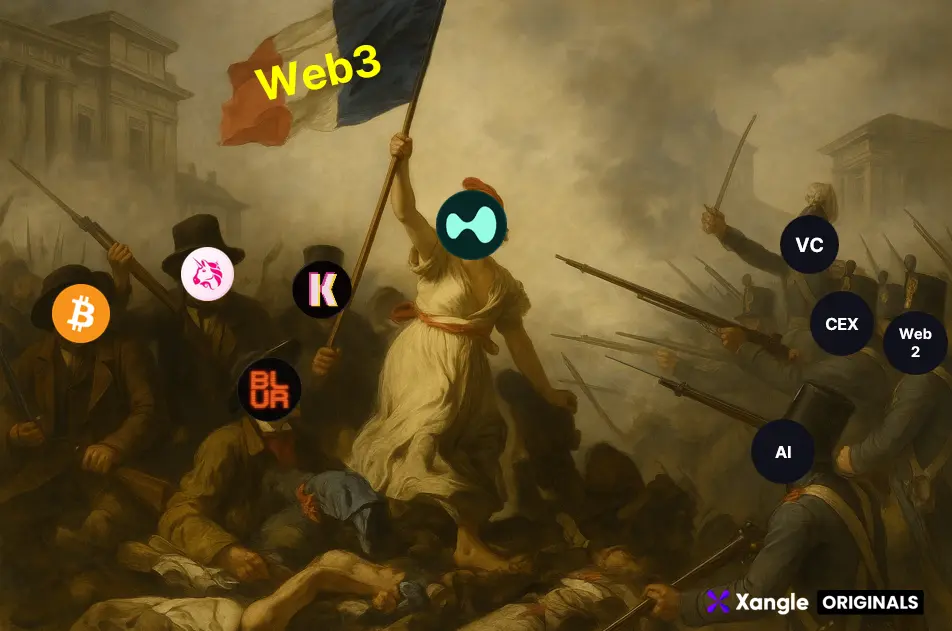
History shows that when inequality reaches its extreme, societies often collapse — through revolution or war. Power first concentrates in a “tower,” only to be reclaimed by the “square” — the collective uprising of the public. This recurring cycle of centralization and redistribution has repeated throughout history. As inequality worsens, calls for fairer distribution will only grow louder. The key question is whether there exists a peaceful way forward. In the 15th century, Gutenberg’s printing press decentralized knowledge and power from elites to the people. Could the 21st century see a technological movement that achieves a similar shift? I believe Web3 could be that catalyst.
Can Web3, built on the principle of wealth distribution, truly rise as the defining spirit of our age?
3. Web3 and the New Culture of Value Distribution
As traditional capitalism and Web2 internet corporations continue to exacerbate wealth inequality and fail to resolve social division, a new paradigm called Web3 has emerged. Web3 is built on the principle of value distribution to communities, rooted in a philosophy that seeks to return power and economic structure, which once monopolized by centralized platforms and financial institutions, to individuals and collectives.
Personally, I believe that the philosophy and culture underpinning the Web3 ecosystem have the potential to evolve into a universal value system; one that meets the growing global demand for fair distribution across political, social, and economic domains. As the reward and ownership models of Web3 gain wider recognition, its adoption could accelerate far faster than many anticipate. For most people, highly technical ideas such as decentralization or the blockchain trilemma are irrelevant; users choose services based on a simple question: does this service offer tangible benefits or make my life better? In that sense, Web3 carries genuine potential to address one of the most immediate challenges of our time: people’s struggle to make a living.
Ultimately, as I will discuss further, Web3’s defining distinction lies in its culture of distribution. Even if it takes time for this structure to mature, once it does, Web3 will transcend being a technological movement and establish itself as a true spirit of the age. The following cases clearly demonstrate how fundamentally different Web3’s stance is compared with the legacy Web2 model.
1) Axie Infinity – How Play-to-Earn Introduced Web3’s Economic Potential
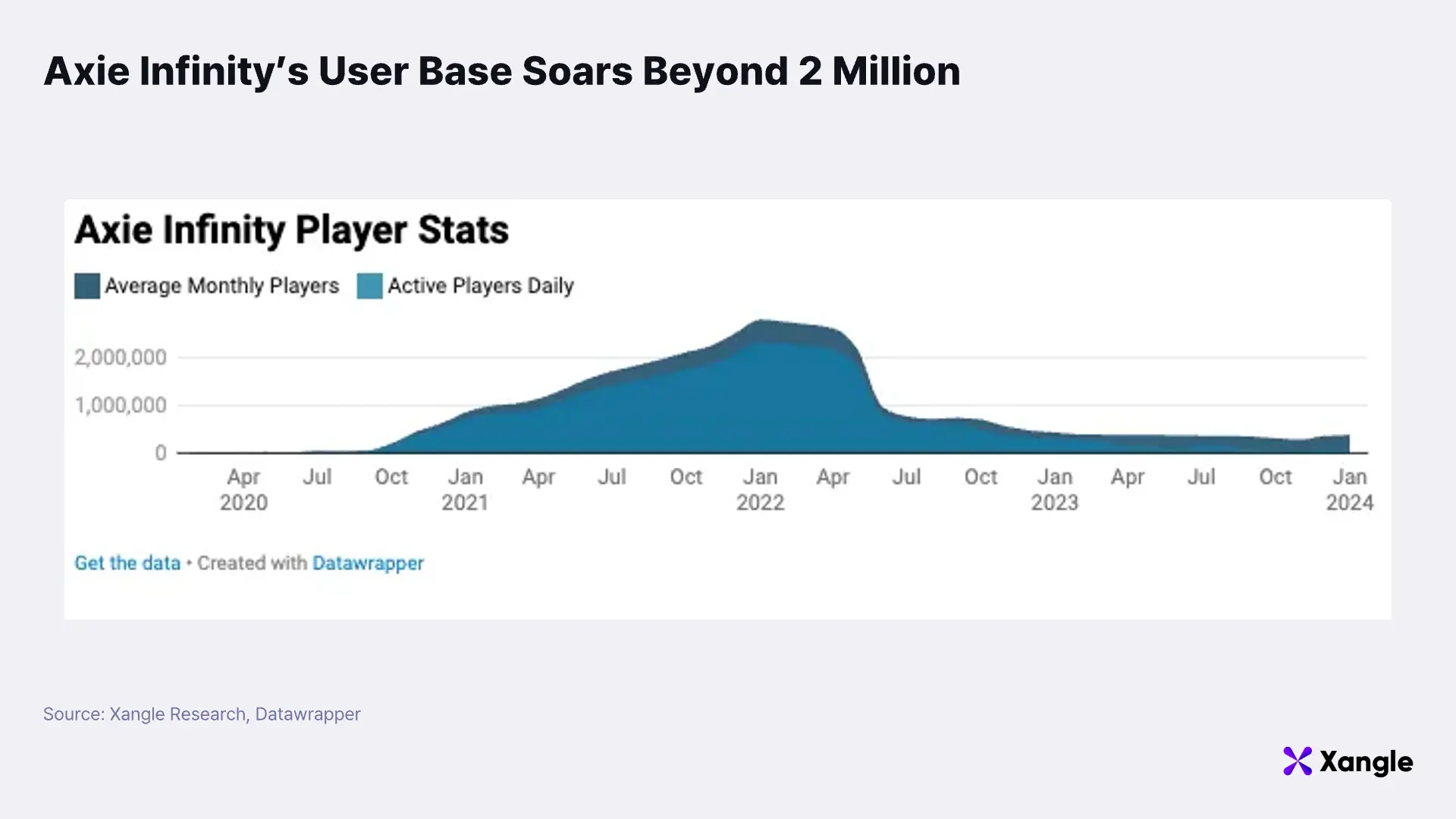
Three years ago, Axie Infinity marked a pivotal moment that exposed the world to Web3’s potential. In this Play-to-Earngame, people realized for the first time that playing a game could generate real income. During the COVID-19 pandemic, millions of users, particularly across Southeast Asia and the Philippines, relied on Axie as a source of livelihood. The game at one point surpassed two million daily active users, an extraordinary figure for a blockchain application. Many players earned hundreds or even thousands of dollars each month, and some even reported buying homes with their in-game earnings.
While traditional online games had long enabled limited cash-out activity via gray-market “farming,” the combination of blockchain technology and token economies in Web3 gaming expanded this phenomenon to an entirely new scale. Axie Infinity redefined gaming as an economic activity, popularizing the term Play-to-Earn and shifting public perception of what digital participation could mean. Although the subsequent downturn in the metaverse and crypto markets reduced user activity and raised questions about sustainability, the impact was lasting: the project left the public with a clear impression that Web3 services can directly create real-world income.
2) Blur – In Web3, Incentives Win
Following Axie, Blur once again demonstrated how Web3’s distribution philosophy can become a powerful force in attracting users. When the NFT market first began to bloom around 2021, OpenSea was the undisputed leader, commanding over 90% market share. Many investors believed its strong network effects and first-mover advantage would cement it as the eternal monopoly in NFT trading. Indeed, riding that narrative, OpenSea raised funds in January 2022 at a valuation of $13.3 billion.
Then came Blur—the project that cracked OpenSea’s seemingly unshakable dominance. While OpenSea charged a 2.5% fee and pocketed the profits like a typical Web2 platform, Blur took the opposite approach: It eliminated fees entirely (0%) to attract users and creators, followed by a token launch that allocated 50% of total supply to platform users via an airdrop. The “use it, earn it” dynamic first popularized by Axie and Uniswap was now brought to NFT marketplaces.
The outcome was decisive. Within months, Blur eroded OpenSea’s dominance. OpenSea’s share, which peaked in early 2022, fell to ~10% by early 2024. Recipients of BLUR traded actively, lifting Blur’s share to as high as 50%. Later in 2024, anticipation of a Magic Eden airdrop redirected flows; by 2025, OpenSea hinted at its own token, drawing airdrop farmers back and reshaping the landscape once again. Today, Blur and OpenSea operate as co-leaders, with user bases motivated heavily by airdrops and rewards. In retrospect, Blur’s 50% community allocation effectively pressured OpenSea to follow with a token of its own.
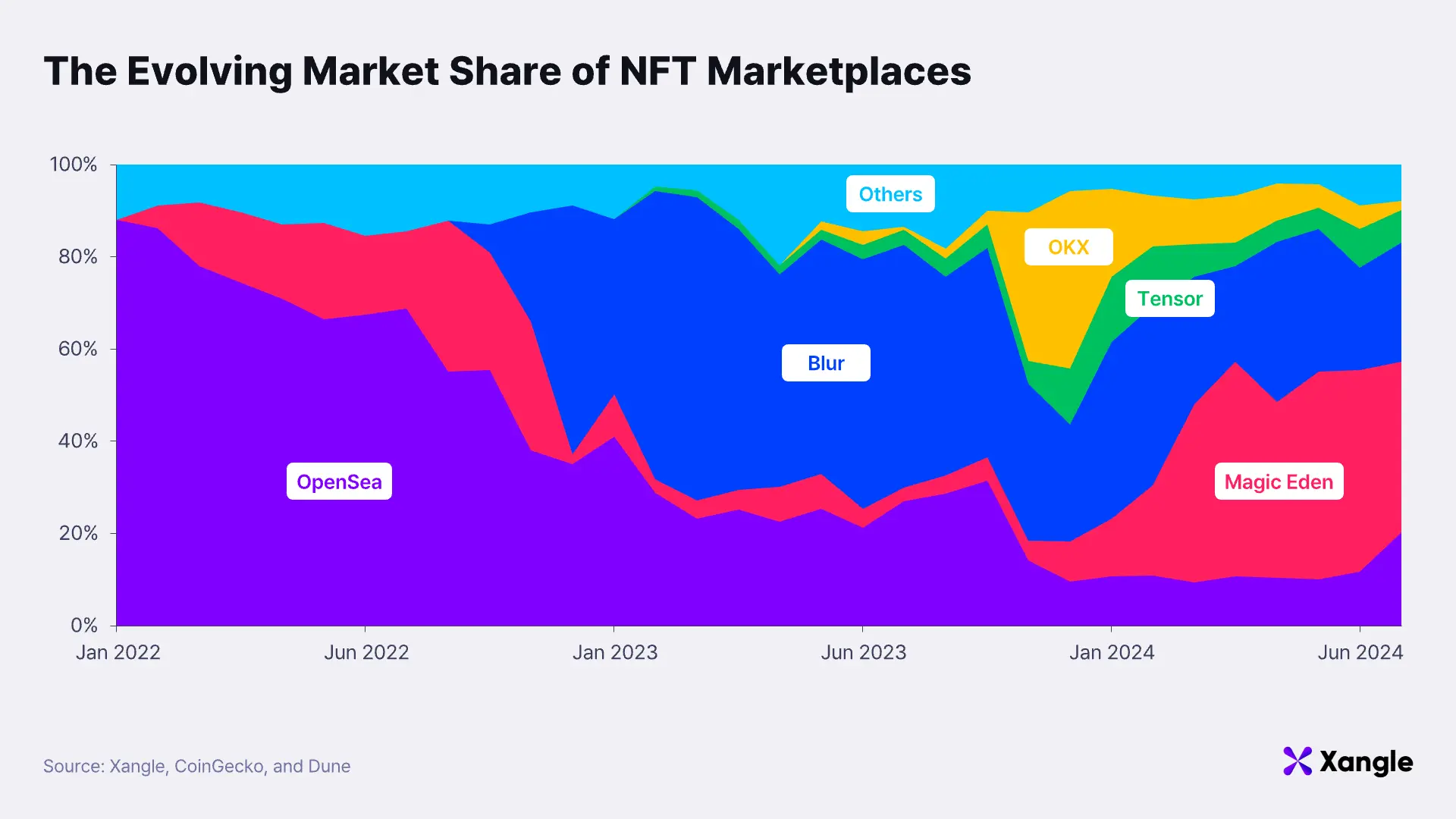
In other words, even with similar core functionality, Blur’s Web3-native stance proved far more compelling than OpenSea’s Web2 economics. The choice to distribute 50% of supply to users and the community was the linchpin of Blur’s user growth. Had OpenSea preserved its monopoly, the gains would have accrued primarily to the company and a small set of investors. Blur instead created a model in which users and communities share in the upside. That shift shows how Web3 platforms don’t just compete for users — they rewrite value distribution in ways that diverge fundamentally from Web2.
3) Hyperliquid — Community Ownership at Full Scale
When discussing community distribution in Web3, Hyperliquid is unavoidable. Quietly building since 2024, the on-chain perpetuals exchange earned attention with a product executing all orders fully on-chain at high speed and a token distribution skewed decisively to the community. An initial 30% community allocation at launch was followed by a commitment to distribute 70% of total tokens to users over time. The team also declined external VC funding and stated there would be no listing plans for team or foundation allocations.
The market response was immediate. HYPE rallied to nearly 15× its initial price, pushing its fully diluted valuation to around $45 billion. Even the unallocated 40% community reserve was worth over $15 billionat peak valuation. Users ramped up activity to qualify, creating a flywheel effect — usage drove growth, growth expanded rewards, and rewards pulled in more usage.
Beyond product execution, the 70% community allocation stood out. Granting the majority stake to actual users, not founders or early investors, is almost unprecedented in either Web2 or Web3. For context, Robinhood, a broadly analogous retail platform, drew headlines for reserving just 1–2% of IPO shares for its customers, unusually high in a U.S. market where retail often gets <1%. If a Web3 project offered only 1–2% to users, it would be ignored and fail to onboard the community. Hyperliquid, by contrast, returns 70% for free to users, while Robinhood’s allocation still required customers to pay for shares. If both platforms offered similar functionality across stocks and crypto, the user’s choice is self-evident — and the wealth distribution implications are equally clear.
Considering that the top 0.1% globally hold most of their wealth in stocks and financial assets, Web3’s ownership-and-rewards culture can function as a redistribution mechanism.
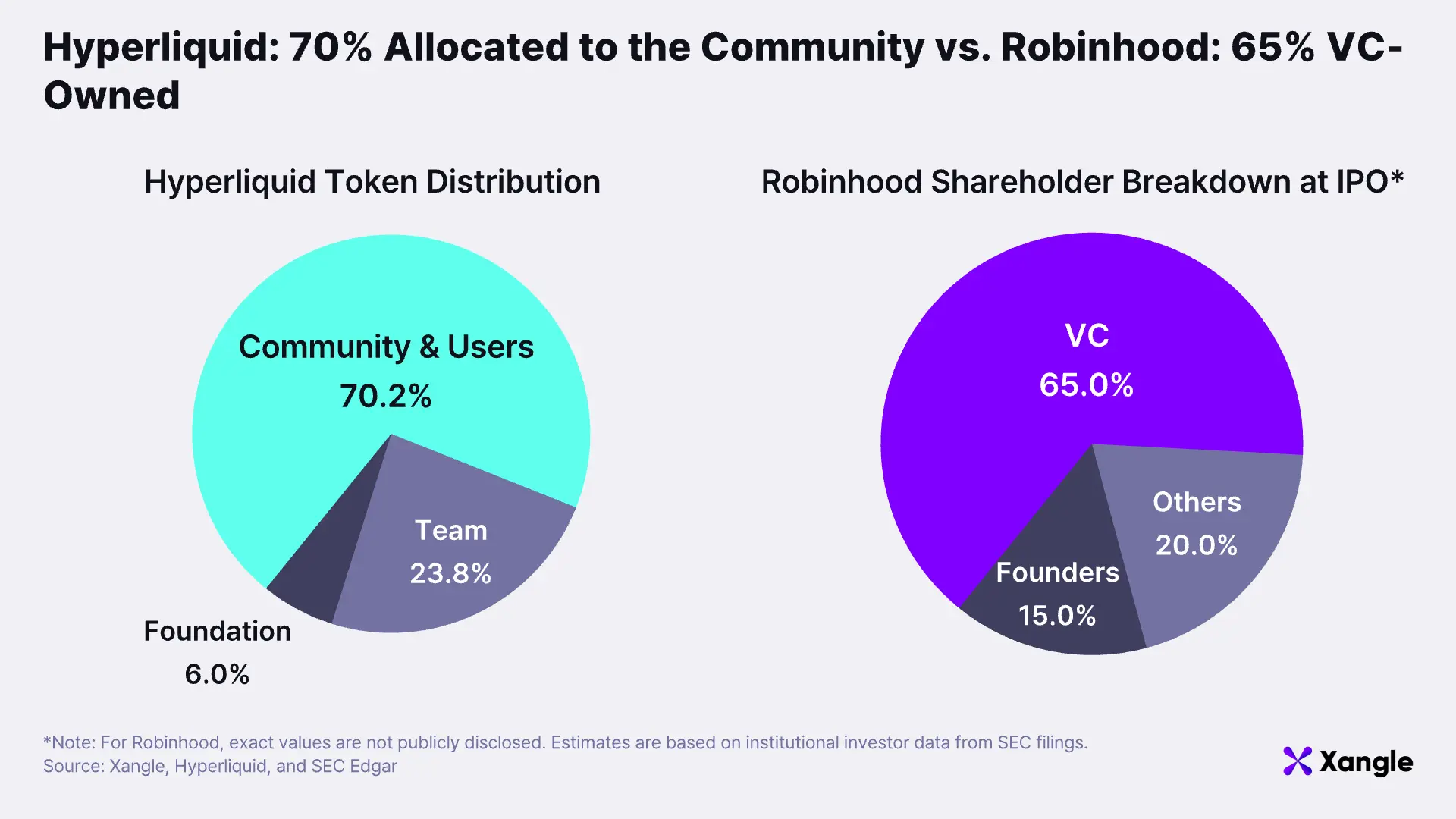
I’m convinced that community distribution, or returning ownership to users, is both Web3’s sharpest differentiator and a prerequisite for durable success. As inequality intensifies, this model provides a natural counterbalance. Within Web3 today, it’s already assumed that if you use and contribute to a service, you’ll receive a share of tokens or ownership. Before long, mainstream users may ask the same question: “If I’m using the service, why shouldn’t I own a piece of it?” Hyperliquid’s rise is a symbolic catalyst for that shift in expectations.
When a user trades on Binance, the value created flows to CZ and Binance shareholders. When a user trades on Hyperliquid, the value is distributed back to the community, including the user. If the utility is equivalent, why would users choose Binance?
4. Airdrops as Web3’s Version of Universal Basic Income
It is becoming increasingly accepted that artificial intelligence will ultimately replace most human jobs, ushering in an era of universal basic income (UBI). These are not fringe speculations but forecasts voiced by leading figures at the forefront of AI innovation; Sam Altman and Elon Musk among them. Beyond the technology sector, political leaders and policymakers are also beginning to explore UBI as a social safety net, reflecting growing concern that AI-driven productivity gains will deepen income inequality. In this projected future, society could divide into two major groups: capital owners and entrepreneurs, and the general public living on basic income.
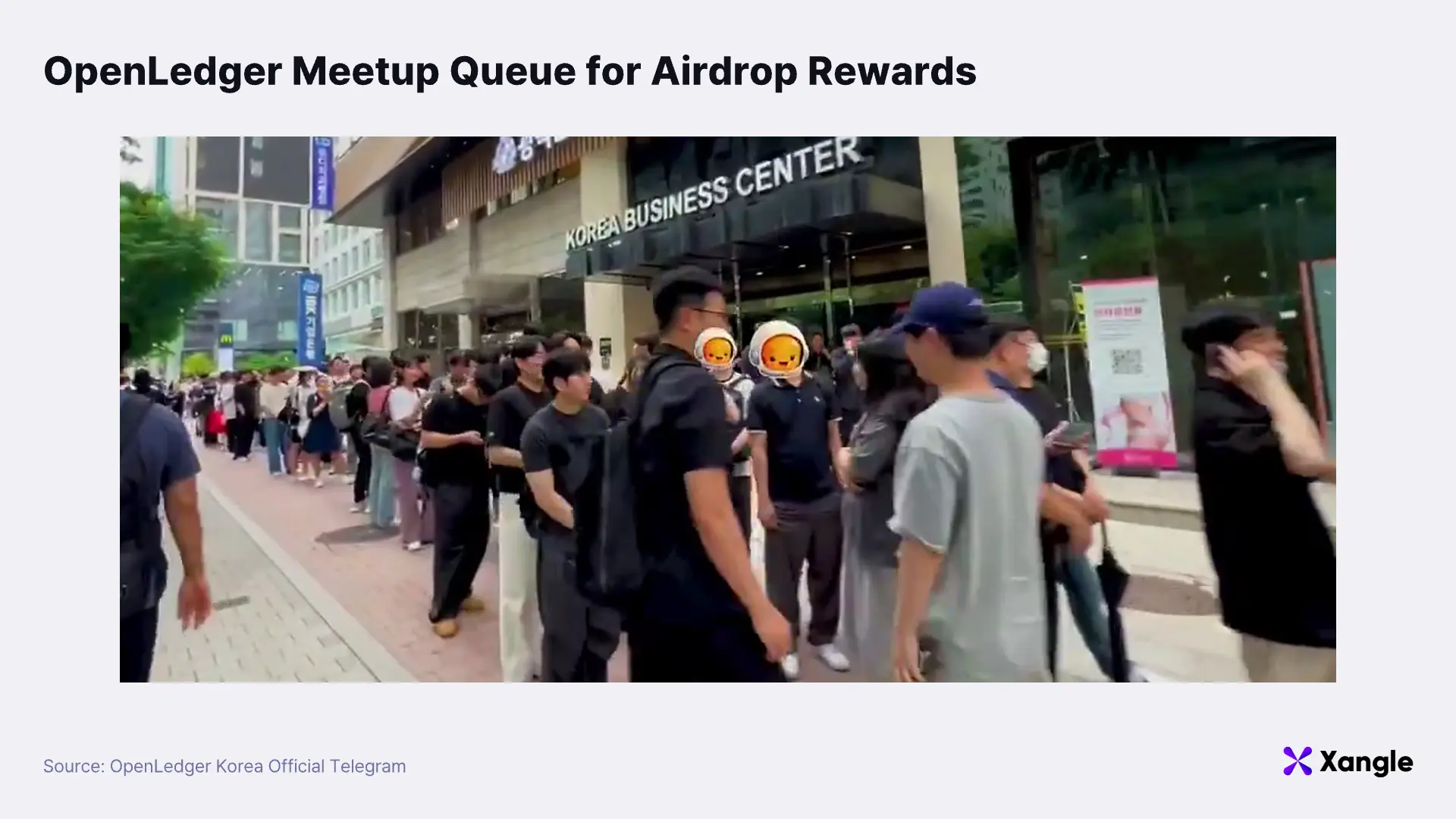
Interestingly, what once felt like a distant concept is already emerging as a lived reality within the Web3 economy. As the 2025 crypto bull market unfolded, a new class of full-time participants, the so-called “yappers” or airdrop hunters, began earning a living by collecting tokens from airdrops and campaign rewards. In Korea, the trend became so pronounced that even attending meetups could yield hundreds of thousands to several million won worth of tokens, fueling what became known as the “meetup meta.” In effect, this represented a Web3-native form of basic income. These users are typically active on X (Twitter), engage with Web3 products, and receive tokens valued anywhere from a few million to tens of millions of won, often enough to cover everyday expenses. Across 2025 alone, projects collectively distributed billions of dollars in token airdrops, creating a new class of professional users who farm these rewards as their main source of income.
Yet airdrops have not been without issues. When tokens were distributed without solid fundamentals, their prices typically collapsed soon after, reducing airdrops to little more than temporary cash handouts. Retail investors entering later through trading often ended up absorbing those losses. Yet the market is evolving. Increasingly, projects are generating real revenue streams and using part of those earnings for token buybacks and burns, anchoring long-term value. Hyperliquid, for instance, has led the way by allocating 99% of its protocol revenue toward buybacks of its HYPE token. Following its model, several major Web3 protocols, including Ethena, Chainlink, and Pump.Fun, each generating revenues in the tens or hundreds of millions of dollars, have announced similar buyback and burn programs. This mirrors the share repurchase model used by traditional public companies to enhance shareholder value. In that sense, dividend-like and revenue-sharing mechanisms are now entering the token economy, laying the foundation for airdropped tokens to evolve into a sustainable form of digital basic income.
The speculative, trading-driven crypto market has long concentrated wealth in the hands of a small elite of professional traders, often at the expense of the broader retail base. By contrast, the emerging airdrop and engagement economyoffers ordinary users a lower-risk, low-barrier way to participate in the value creation of Web3 ecosystems. Unlike speculative trading, farming and yapping provide pathways for ordinary participants to earn recurring income; functioning, in effect, as a new form of decentralized basic income that democratizes access to the wealth generated by the next internet economy.
5. The Long Road to Mainstream Adoption
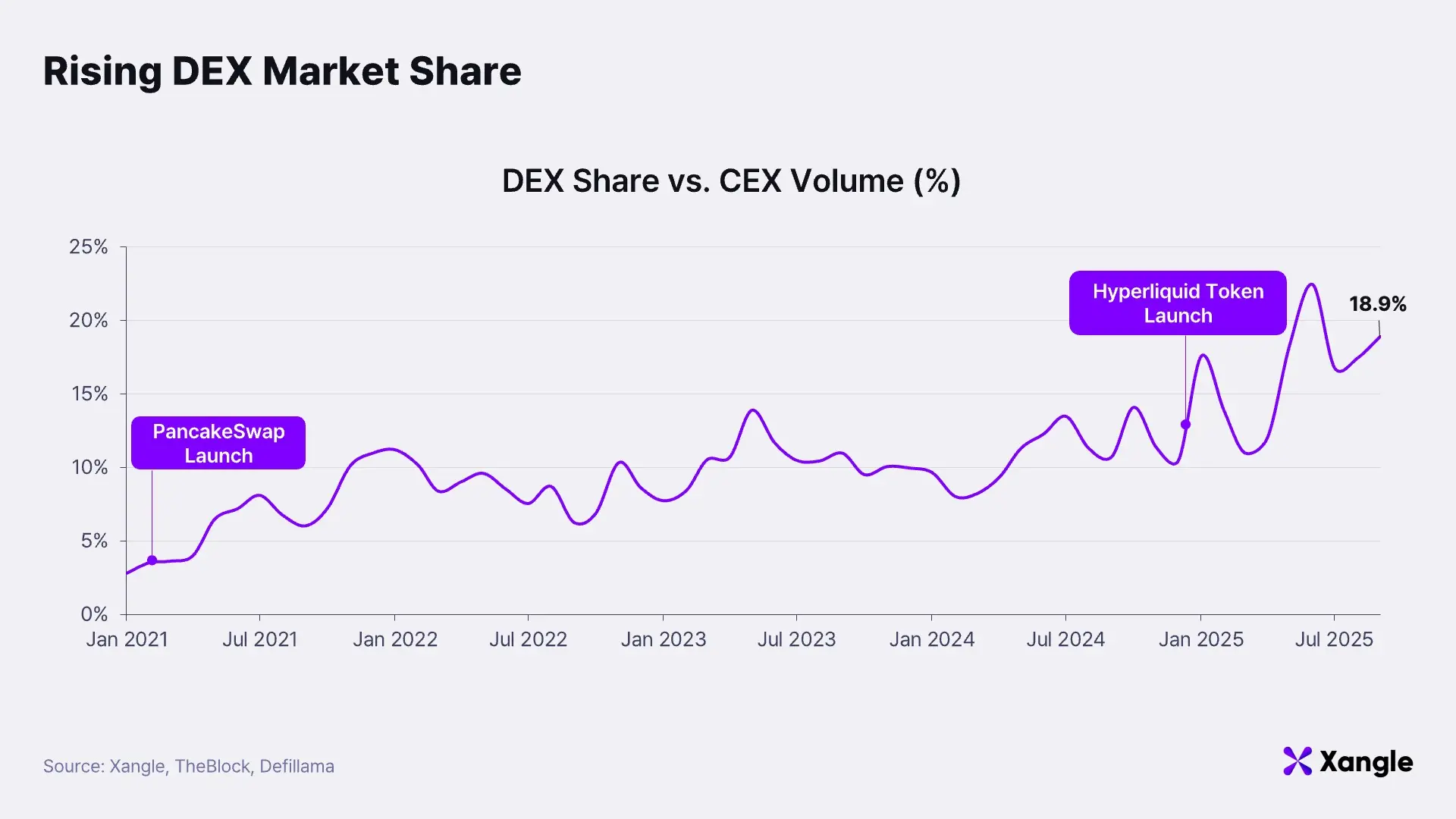
As discussed earlier, several Web3 services are now beginning to erode the dominance of their Web2 counterparts. Among them, decentralized exchanges (DEXs), particularly on-chain derivatives platforms like Hyperliquid, have been rapidly narrowing the gap with centralized exchanges (CEXs). By 2025, DEXs collectively accounted for roughly 18% of total global trading volume, up sharply from 10.5% at the end of 2024. With on-chain infrastructure improving and liquidity deepening, the user experience on DEXs is approaching that of CEXs, suggesting that this gap could close even faster. Hyperliquid, for instance, now handles over 70% of all decentralized perpetual trading worldwide, ranking first in its category—yet even so, its volume remains only about 10% of Binance’s, indicating considerable headroom for growth. What began as a Web3 wave in DEXs and NFT marketplaces is now expected to extend gradually into broader categories of online services.
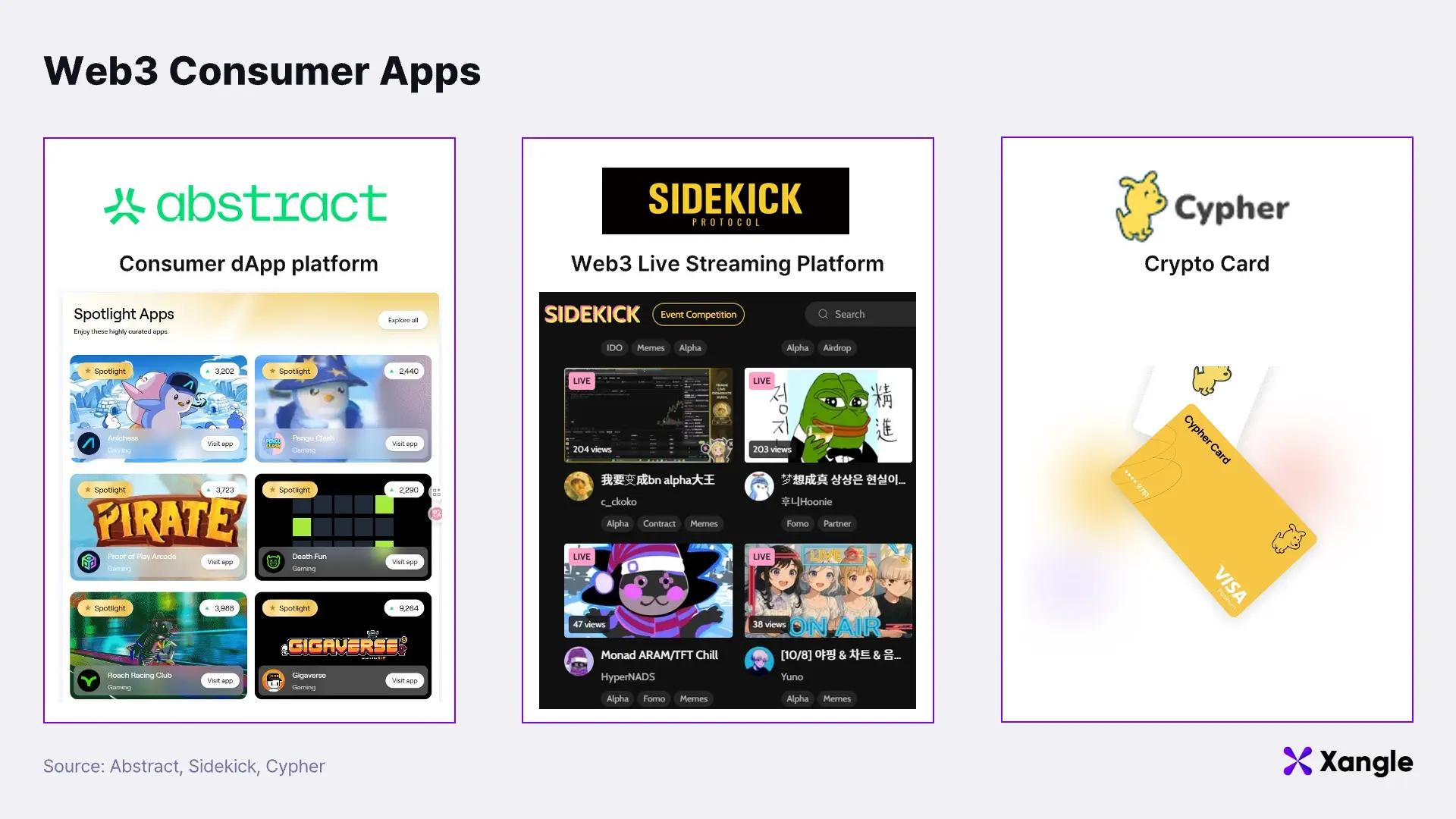
That said, outside of DEX and NFT markets, there are still relatively few Web3 services capable of meaningfully challenging their Web2 counterparts, which is a gap the industry must address. Recently, however, projects such as Abstract, Sidekick, and Cypher have started to showcase Web3’s potential across consumer-facing verticals like gaming, live streaming, and payments. For these applications as well, the most powerful driver of user adoption remains incentive alignment. Sidekick, for example, is a Web3-based live-streaming platform (LiveFi) that rewards viewers directly with tokens through a tipping and engagement model. Cypher, meanwhile, differentiates itself from conventional card services by airdropping tokens to its card users, delivering a level of user reward far beyond what traditional platforms offer.
While Web3 still has a long way to go to rival Web2’s user scale, it is encouraging to see continued experimentation in some of the most value-intensive areas of the internet economy, such as social platforms and video streaming. Today’s Web2 platforms like YouTube share only a fraction of their massive advertising and subscription revenues with a small number of top creators, offering nothing to the general audience whose time and data fuel their profits. Yet as Blur and Hyperliquid have shown, if a Web3-native video platform were to embrace the same distribution-first philosophy, disrupting YouTube’s dominance would no longer be unthinkable.
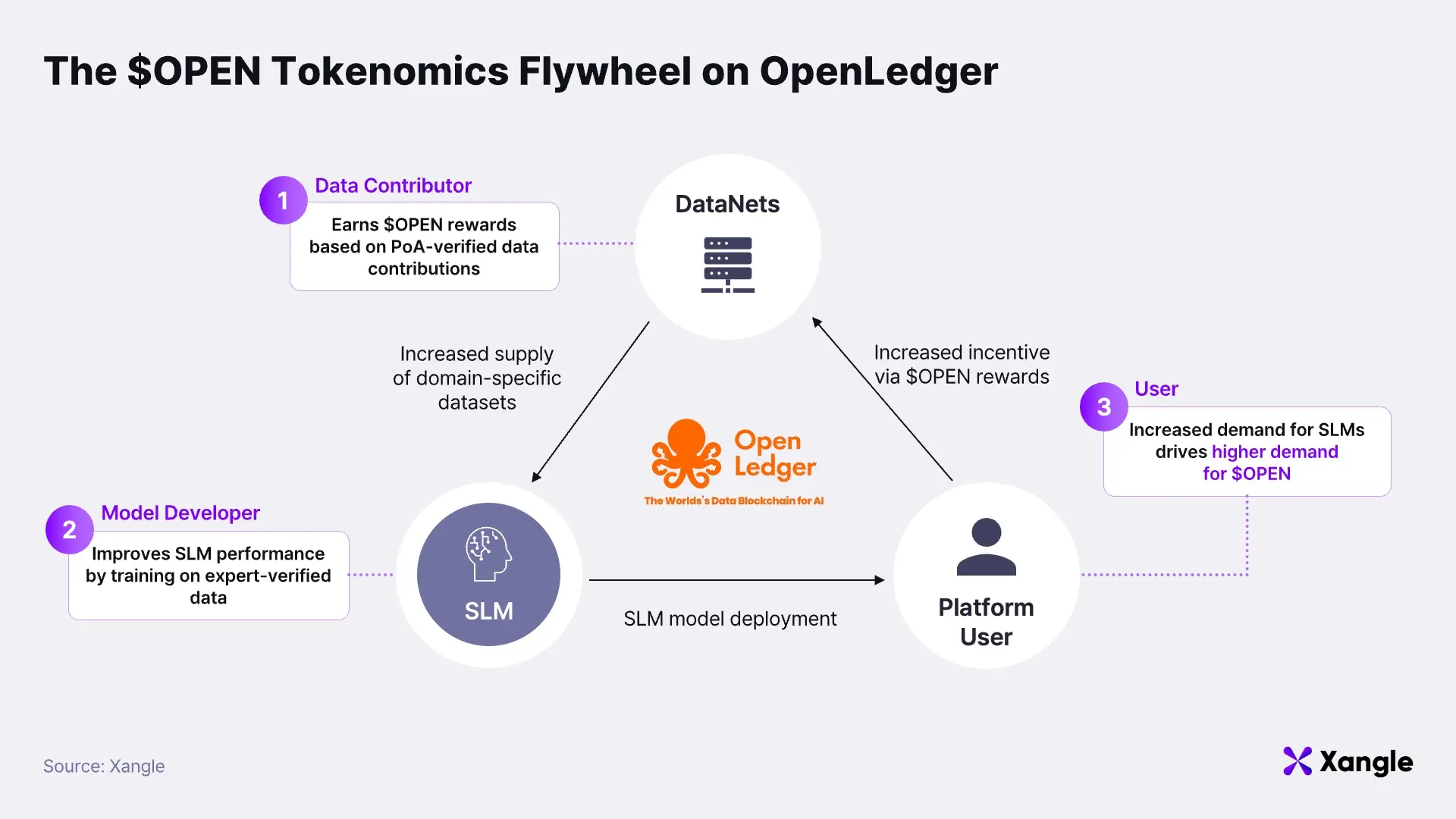
Another major technological shift—artificial intelligence (AI)—may paradoxically accelerate Web3’s ascent. By optimizing for efficiency and minimizing human labor, AI risks deepening inequality even further. Big Tech firms are already consolidating control by securing exclusive access to high-performance GPU chips and compute infrastructure—resources critical for developing frontier-scale AI models, now largely unattainable for anyone outside that circle. These corporations freely harvest user-generated data to train their algorithms and launch new services, yet provide no direct compensation to the individuals who supply that data. In response, a new wave of Web3 projects has begun emerging to redistribute wealth and data ownership in the AI era. Examples include decentralized GPU networks that allow individuals to contribute their compute resources in exchange for rewards, and personal data marketplaces that enable users to monetize their data while retaining privacy and control. Recently listed on Upbit and Bithumb, OpenLedger exemplifies this trend with a tokenomic framework that rewards users for their data contributions; an early model of how Web3 could redirect AI-era value flows back to the public.
Of course, the limitations of current Web3 services are clear. For Web3 to deliver a user experience comparable to Web2, the overall UX layer still requires significant refinement. Take Hyperliquid, for example: despite its compelling reward structure, the platform has only about 300,000 monthly active users—versus roughly 5 million on Upbit, which offers no direct incentives at all. Outside crypto-native circles, awareness of Hyperliquid remains minimal, and for new users, the process of setting up an on-chain wallet or transferring USDC from a CEX to Arbitrum is still a daunting task. These entry barriers underscore how many challenges remain before Web3 can achieve genuine mainstream adoption. That said, UX has improved steadily year after year, and with major entrants such as Robinhood, PayPal, and Naver integrating Web3 functionality, the overall experience is expected to become dramatically smoother.
Another crucial step is the emergence of sustainable, revenue-driven business models. While the industry now places greater emphasis on fundamentals, speculative tokens still dominate during bull markets, often inflated by market-making and hype before collapsing, leaving retail investors to absorb the losses. Projects such as Hyperliquid, Ethena, and Pump.Fun, which generate recurring revenue and use those proceeds for token buybacks and burns, represent a more durable model of value accrual; one that should be adopted more widely and recognized by the market.
Looking back, many things we consider obvious today were once radical. In the United States, Black Americans gained full voting rights only about sixty years ago, and stock options, which is now a standard corporate incentive, were introduced in the 1960s but did not become mainstream until the 1990s. Likewise, the idea of receiving tokens as compensation for usage or community contribution feels entirely natural within Web3 circles yet still foreign and counterintuitive to the broader public.
However, as income inequality deepens and the social demand for basic income continues to grow, Web3’s culture of value distribution is likely to spread rapidly into the mainstream. Users will increasingly expect tokens as fair compensation for the value they generate. Much like Gutenberg’s printing press during the Renaissance decentralized knowledge and power from elites to ordinary citizens, Web3 could serve as a modern equalizer, restructuring capital markets and power dynamics at their core. If the industry continues addressing technical hurdles while delivering high-quality, sustainable products, we may soon enter an era where everyone naturally participates in Web3’s shared rewards.
This is why I believe so deeply in the inevitability of Web3’s mass adoption.
Disclaimer
I confirm that I have read and understood the following: The information contained in this article is strictly the opinions of the author(s). This article was authored free from any form of coercion or undue influence. The content represents the author's own views and does not represent the official position or opinions of CrossAngle. This article is intended for informational purposes only and should not be construed as investment advice or solicitation. Unless otherwise specified, all users are solely responsible and liable for their own decisions about investments, investment strategies, or the use of products or services. Investment decisions should be made based on the user’s personal investment objectives, circumstances, and financial situation. Please consult a professional financial advisor for more information and guidance. Past returns or projections do not guarantee future results.
Xangle or its affiliated partners own all copyrights of the written or otherwise produced materials and content provided on the platform. Any illegal reproduction of such content, including, but not limited to, unauthorized editing, copying, reprinting, or redistribution will result in immediate legal actions without prior notice.