Kaia: Igniting an Infrastructure Engine for Asia-Wide Integration

Table of Contents
1. Background and Formation of Kaia
1-1. The Value Gap in the Asian Market
1-2. Merger as a Structural Solution
2. Toward an Asia-Integrated Layer 1
2-1. Technical Integration: Unifying the Execution Environment and Inheriting the Core Architecture
2-2. Economic Integration: Tokenomics Alignment
2-3. Structural Differentiation: Aligning Web3 Ecosystem Formation with Web2 Distribution
3. Post-Merger Phase: Infrastructure and Execution Readiness
3-1. Protocol Upgrades
3-2. Ecosystem and Community Development
4. Bottom Line: Opportunity Shaped by Execution Readiness
1. Background and Formation of Kaia
1-1. The Value Gap in the Asian Market
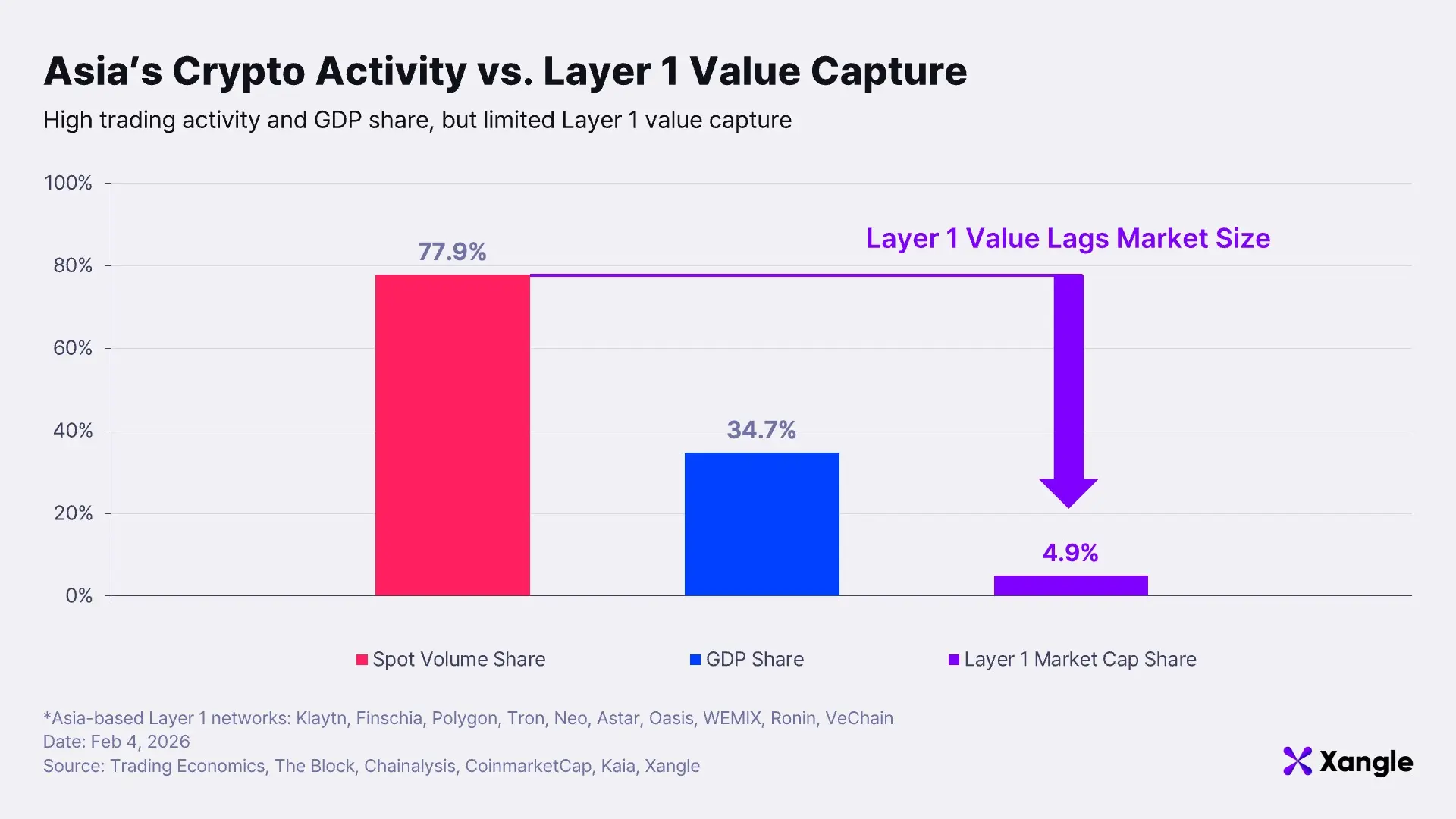
Asia constitutes the world’s largest market for payments and remittances, underpinned by its massive population base. Home to roughly half of the global population, the region functions as a core axis of global production and exerts substantial economic influence. Within crypto markets in particular, Asia effectively operates as a global liquidity hub; a significant share of worldwide spot trading volume originates from the region, underscoring the sheer scale of its market activity.
Yet despite this economic weight and explosive transaction volume, the share of market capitalization captured by Asia-based Layer 1 blockchains remains disproportionately low relative to global Layer 1 valuations. The discrepancy reflects a structural condition rather than a lack of demand. Asia’s Web3 industry has evolved along fragmented, country-specific lines, without a unified execution layer capable of consolidating cross-border liquidity flows. The resulting value gap, shaped by heterogeneous regulatory regimes and fragmented payment infrastructures, represents one of the most attractive opportunity sets for a Layer 1 network.
Kaia is the product of the merger between Klaytn and Finschia, structured to address this gap. Where fragmentation had constrained the influence of Layer 1s relative to the scale of the Asian market, Kaia’s starting point lies in reorganizing that fragmentation into a single network designed to aggregate liquidity, infrastructure, and users within a coherent execution framework.
1-2. Merger as a Structural Solution
Klaytn positioned itself as a global public Layer 1 by building an Ethereum-compatible EVM environment and prioritizing the development of an open ecosystem with low barriers to developer entry. Around 2021, during the rapid expansion of NFTs and P2E gaming, the network recorded elevated transaction volumes. Even with a solid technical foundation in place, however, growth proved difficult to sustain once market momentum faded. The absence of killer applications capable of retaining users over time exposed structural limits, leading to declining active usage—a challenge commonly observed among standalone Layer 1 networks.
Finschia, in contrast, focused its strategy on user expansion and mass adoption by leveraging the LINE messenger channel. Built around LINE, which is used by more than 200 million users across Japan and Southeast Asia, the ecosystem emphasized services that could be used without requiring users to consciously engage with blockchain technology. An ecosystem structure centered on applications developed or directly vetted by LINE and its partners ensured strong service quality and accessibility. At the same time, this operating model constrained scalability. Limited connectivity with other chains restricted external capital inflows, while application availability remained bounded by LINE’s approval scope, resulting in an increasingly closed ecosystem with reduced diversity.

In effect, Klaytn expanded infrastructure and developer capacity within a Web3-native context but encountered limits in scaling its user base independently as a Layer 1. Finschia, meanwhile, accelerated user growth through LINE as a Web2 distribution channel, yet faced structural constraints in broadening its Web3 ecosystem. Kaia represents the consolidation of this complementary relationship into a single network, structured around the assessment that combining these strengths could simultaneously offset both sides’ weaknesses.
The integration process itself was not without friction. Within the Finschia community, concerns emerged that the merger could dilute value despite long-term growth potential. The Klaytn community, on the other hand, questioned the practical upside of pursuing a merger given Klaytn’s relatively larger Web3 ecosystem. Even so, the merger ultimately proceeded because aligning the independently developed Web3 ecosystems and Web2 user bases under a shared objective—Asian market integration—was judged to be the more realistic and strategically coherent path forward.
2. Toward an Asia-Integrated Layer 1
2-1. Technical Integration: Unifying the Execution Environment and Inheriting the Core Architecture
Mergers between two blockchains that are already live are uncommon. Integrating two active mainnets with different execution environments and distinct ecosystems requires alignment across a wide range of technical, operational, and ecosystem-level variables. For this reason, the starting point of integration was the standardization of the execution environment, consolidating the rules under which smart contracts are executed.
In this context, the execution environment refers to the rule set and instruction framework governing how smart contracts operate on a blockchain. From a developer perspective, it determines the programming languages and tooling used for deployment, the extent to which existing applications and infrastructure can be reused without modification, and the ease of integration with core components required for network operation.
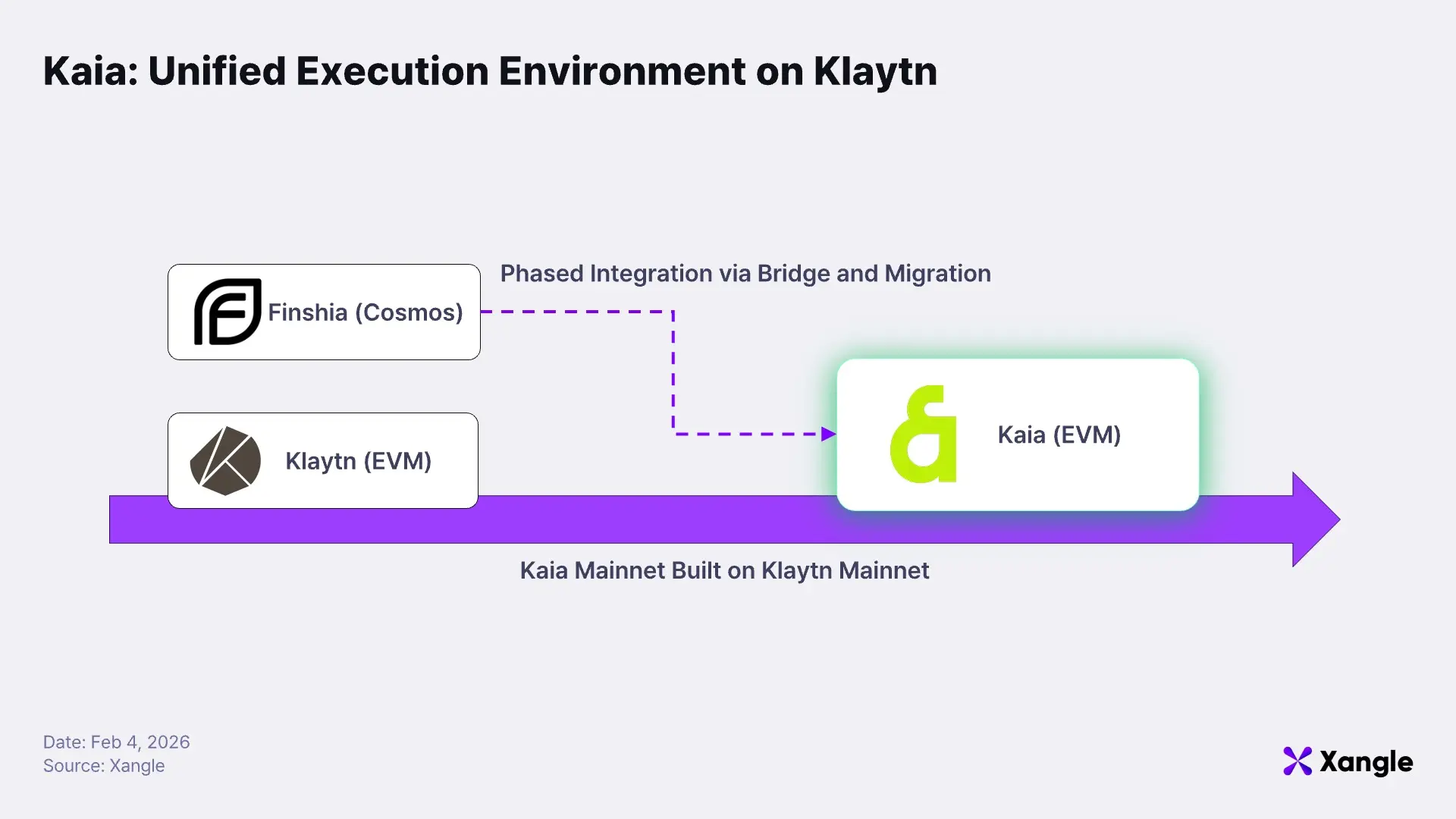
Kaia prioritized a phased integration strategy, setting the initial standard around the EVM core stack previously used by Klaytn and continuing the network on top of the Klaytn mainnet. This approach reflected Klaytn’s relatively larger on-chain asset base and infrastructure maturity at the time of integration. Selecting the EVM expanded available options not only for foundational infrastructure such as wallets, exchanges, and RPCs, but also for security-critical components including oracles and bridges, thereby reducing operational risk. At the same time, the EVM’s deep developer pool made it a practical choice for ecosystem expansion while limiting friction for both new development and project migration.
At the point of integration, Kaia presented a two-phase roadmap for the Finschia ecosystem. Phase 1 focused on ensuring continuity, preventing disruption to Finschia and its applications during the merger process. Finschia was connected to Kaia via a bridge, enabling economic integration while preserving existing functionality other than inflation and governance. As a result, Finschia dApps were able to continue operating without code changes while preparing for migration to Kaia.
Phase 2 outlined a potential expansion based on a dual-VM architecture combining EVM and CosmWasm, but this plan did not advance to implementation. Given the limited scale of the Finschia dApp ecosystem at the time, the engineering and operational overhead required to support a dual VM at the core protocol level was disproportionate. Concurrently, developer attention shifted toward Solana (SVM) and Sui (MoveVM), while growth across Cosmos-based ecosystems slowed. In response, Kaia consolidated the EVM as its execution environment and adopted a strategy of gradual absorption, supporting Finschia services through bridge-based parallel operation and staged migration.
Kaia also carried forward Klaytn’s core architectural design following execution environment unification. Istanbul IBFT (Istanbul BFT) is an enhanced BFT-based consensus algorithm capable of processing up to 4,000 transactions per second with a one-second block time, creating an environment optimized for real-time payments and settlement. Immediate finality ensures transaction outcomes are confirmed at block production, eliminating the risk of chain forks. Security is further reinforced through the use of Verifiable Random Functions (VRF), which randomly select block proposers and validators while preserving both decentralization and performance.
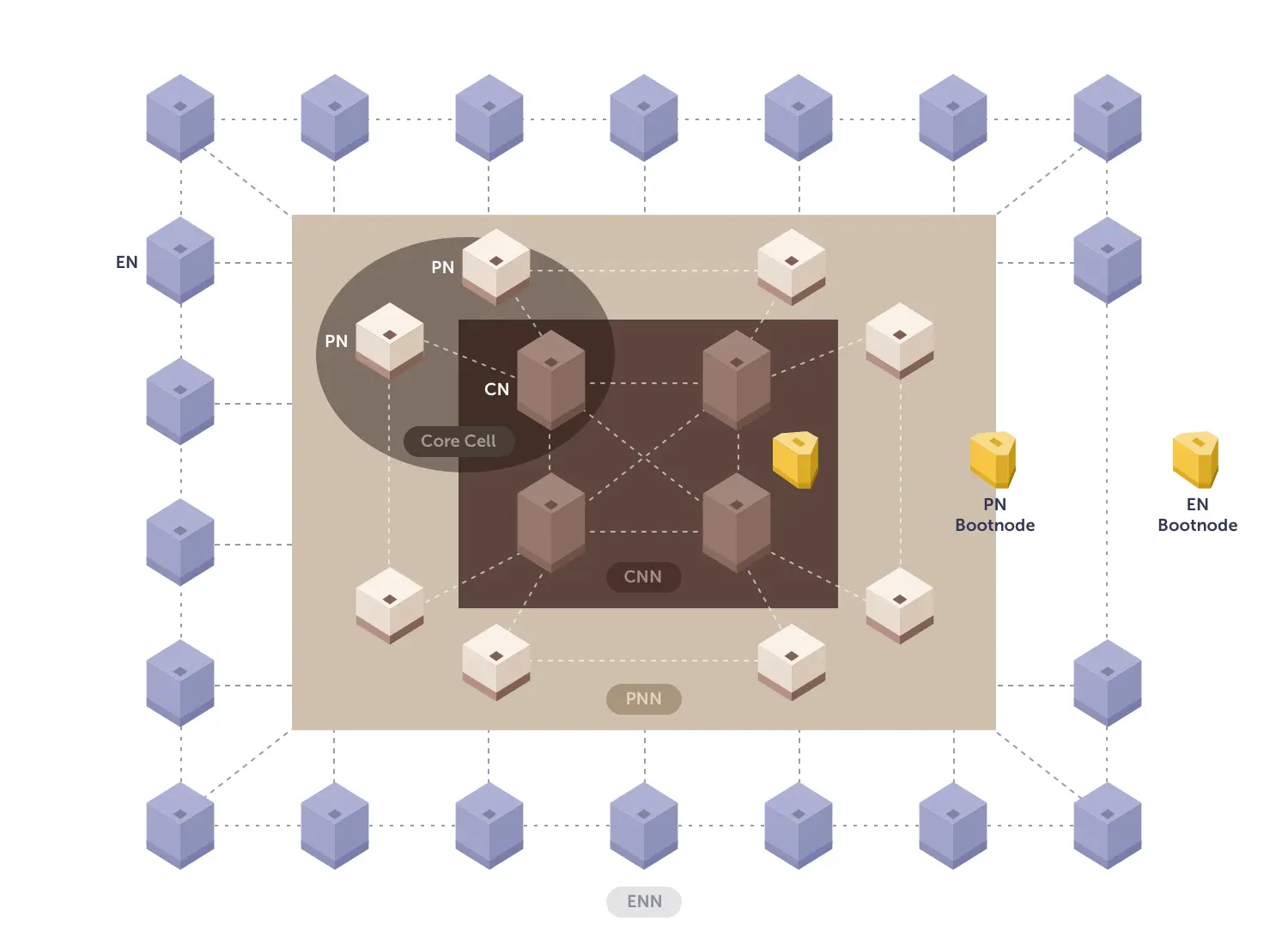
Consensus and block production on Kaia are organized around units known as Core Cells. Each Core Cell participates in consensus, executes transactions, and produces blocks, consisting of one Consensus Node (CN) and one or more Proxy Node (PN). Consensus nodes connect with other consensus nodes to perform consensus, while transaction reception and block propagation are limited to proxy nodes within the same Core Cell to maintain security and stability. Proxy nodes accept connections from Endpoint Node (EN), distribute external network traffic to shield consensus nodes, forward transactions to consensus nodes, and propagate produced blocks to endpoint nodes.
- Consensus Node (CN): The core component responsible for block production and validation, operated by authorized Governance Council members and funded through delegated $KAIA.
- Proxy Node (PN): Provides network shielding for consensus nodes, relays transaction requests, and propagates generated blocks to endpoint nodes.
- Endpoint Node (EN): Acts as the interface between the network and users, handling data interactions with Kaia’s Layer 2 service chains and processing user transactions and API requests to support network-wide communication.
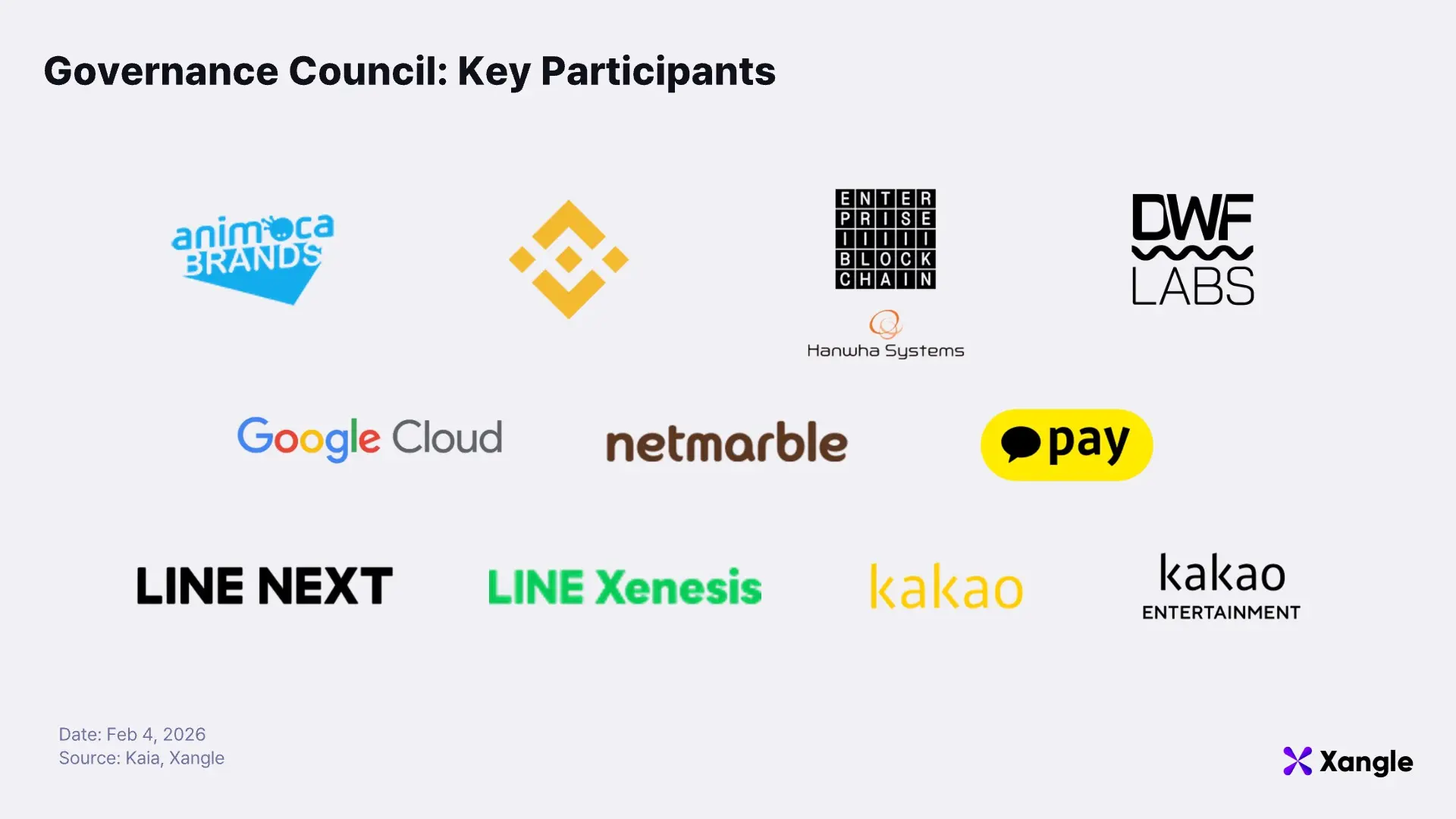
The Governance Council (GC), composed of consensus node operators and responsible for Kaia’s strategic decision-making, includes 40 participating organizations representing capital and technological capabilities across Asia. Web2 participants include Kakao Corp and Google Cloud, while Web3-native firms such as LINE Xenesis and Binance also take part. Council members contribute to governance decisions and, as consensus node operators, propose and validate blocks to maintain network security.
2-2. Economic Integration: Tokenomics Alignment
Economic integration represents a significantly more complex and sensitive challenge than technical integration. The process goes beyond system-level linkage and requires coordination between the economic interests of two asset holder bases, $KLAY and $FNSA, each shaped by distinct growth trajectories and valuation contexts. Psychological resistance and divergent narratives further complicate alignment, as these frictions cannot be resolved through technical justification alone. Differences in perceived asset value made disagreement over implied future value inevitable.
Market pricing served as the objective and quantifiable reference used to reconcile these misalignments. Consistent with merger practices in traditional equity markets, the exchange ratio was determined using the average market price over the two weeks preceding submission of the merger proposal. Under this framework, $KLAY was consolidated into $KAIA at a 1:1 ratio, while $FNSA was supported for swapping at approximately 148 $KAIA per token. The resulting structure reflected the most balanced consensus achievable within regulatory constraints and prevailing market logic, minimizing dissatisfaction across both holder groups.
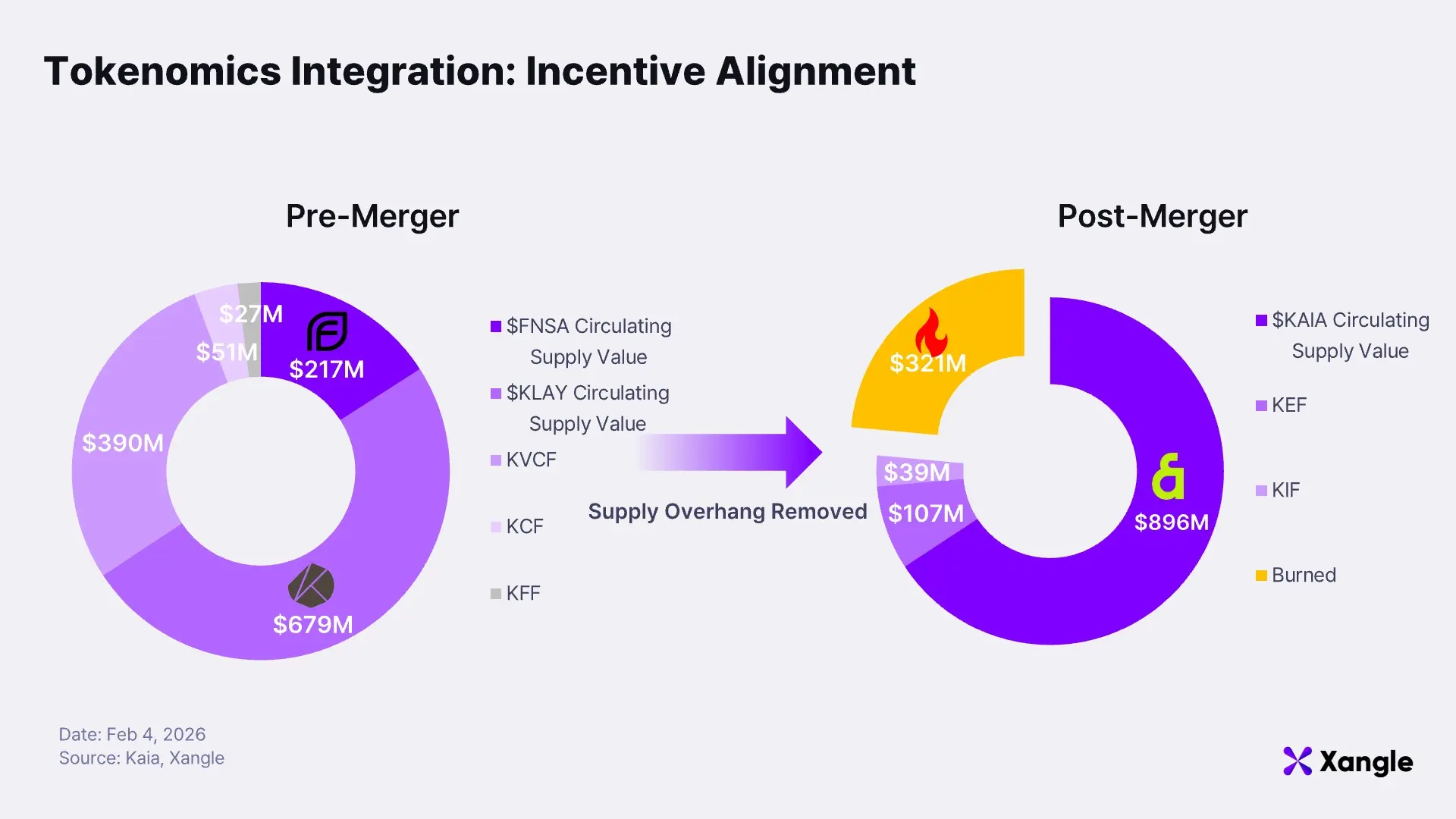
One of the most significant economic effects of the integration was the elimination of the uncirculated supply overhang associated with Klaytn. Prior to the merger, approximately 2.4 billion tokens, representing 34.3% of total supply, were held by ecosystem-related funds including KVCF, KCF, and KFF. These holdings were widely viewed as latent circulating supply, contributing to sustained price uncertainty. Kaia addressed this risk by burning roughly 1.65 billion tokens, equivalent to 68.7% of the existing fund balance, and restructuring the remaining allocation into a streamlined framework consisting of the Ecosystem Fund (KEF) and the Infrastructure Fund (KIF).
The supply policy was restructured with an explicit focus on predictability and capital efficiency. Kaia maintains an annual inflation rate of approximately 5.2% through issuance of 9.6 KAIA per block, allocating 50% of newly minted tokens to funds dedicated to ecosystem and infrastructure expansion, namely KEF and KIF. In parallel, a three-stage burn model was introduced under which transaction gas fees, MEV auction fees, and revenue generated by partner projects are burned. As network usage increases, this mechanism reinforces a feedback loop that supports long-term $KAIA value accrual.
2-3. Structural Differentiation: Aligning Web3 Ecosystem Formation with Web2 Distribution
The merger addresses two structural requirements that a Layer 1 must satisfy in order to scale. One concerns the conditions necessary for sustained developer and project inflows. The other concerns the distribution pathways required for those services to reach end users.
Before integration, Klaytn offered EVM-based infrastructure and a developer-friendly environment, but lacked effective channels for distributing services at scale. Finschia, by contrast, secured direct access to general users through LINE, yet operated within an ecosystem that remained relatively closed to external projects and liquidity. Each network possessed distinct strengths, but neither could independently provide a compelling answer to the market’s underlying question of chain selection.
The merger resolves this disconnect by consolidating these complementary capabilities within a single network. Klaytn’s accumulated EVM compatibility and infrastructure assets provide the foundation for external developer, project, and liquidity inflows, while LINE functions as the channel through which those services reach real users. As a result, the development environment and the user distribution layer are aligned within a unified network architecture.
Tokenomics integration further reinforces this structure. By addressing uncirculated supply risk and clarifying capital allocation for ecosystem and infrastructure expansion, the integration reduced uncertainty around supply dynamics and established more stable conditions for the accumulation of developers, projects, and liquidity.
Expansion optionality represents an additional implication of the merger. While Kaia’s initial strategy centers on LINE, the post-merger structure preserves the option to extend distribution to KakaoTalk, which reaches approximately 50 million users. This configuration reduces dependence on a single platform and allows the same strategic framework to scale across a broader set of user channels.
Taken together, the significance of the Kaia merger extends beyond technical and economic consolidation. At the network level, it establishes a structure in which services can be developed, distributed, and converted into real usage within the Asian market. Alignment across developer onboarding, user distribution pathways, and supporting tokenomics translates the objective of an Asia-integrated Layer 1 into an executable and internally coherent framework.
3. Post-Merger Phase: Infrastructure and Execution Readiness
3-1. Protocol Upgrades
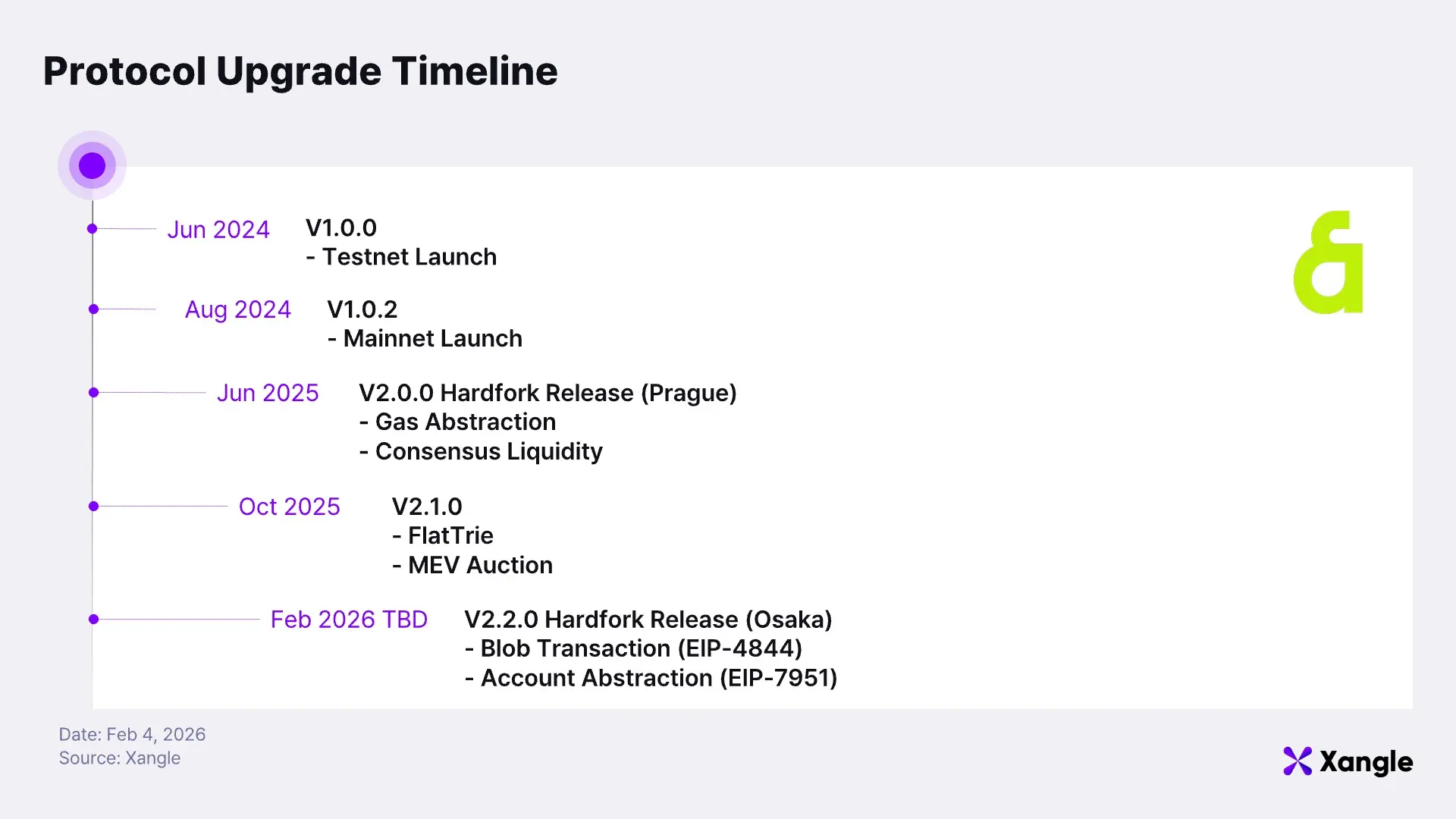
The announcement of the merger between Klaytn and Finschia drew significant market attention, yet subsequent developments appeared relatively muted at first glance. Kaia’s priorities were not centered on producing short-term headline metrics, but on establishing the conditions required to convert the combined user base of approximately 250 million across LINE and KakaoTalk into sustained on-chain activity. Wallet onboarding and transaction fee payment represent immediate friction points for non-crypto-native users, leading Kaia to focus early efforts on smoothing core user experience. In parallel, compatibility with Ethereum standards was strengthened to allow external developers and projects to onboard without additional adaptation. Protocol-level upgrades therefore concentrated on scalability and operational stability, ensuring that network growth does not translate into rising operating costs or degraded service quality.
Gas Abstraction
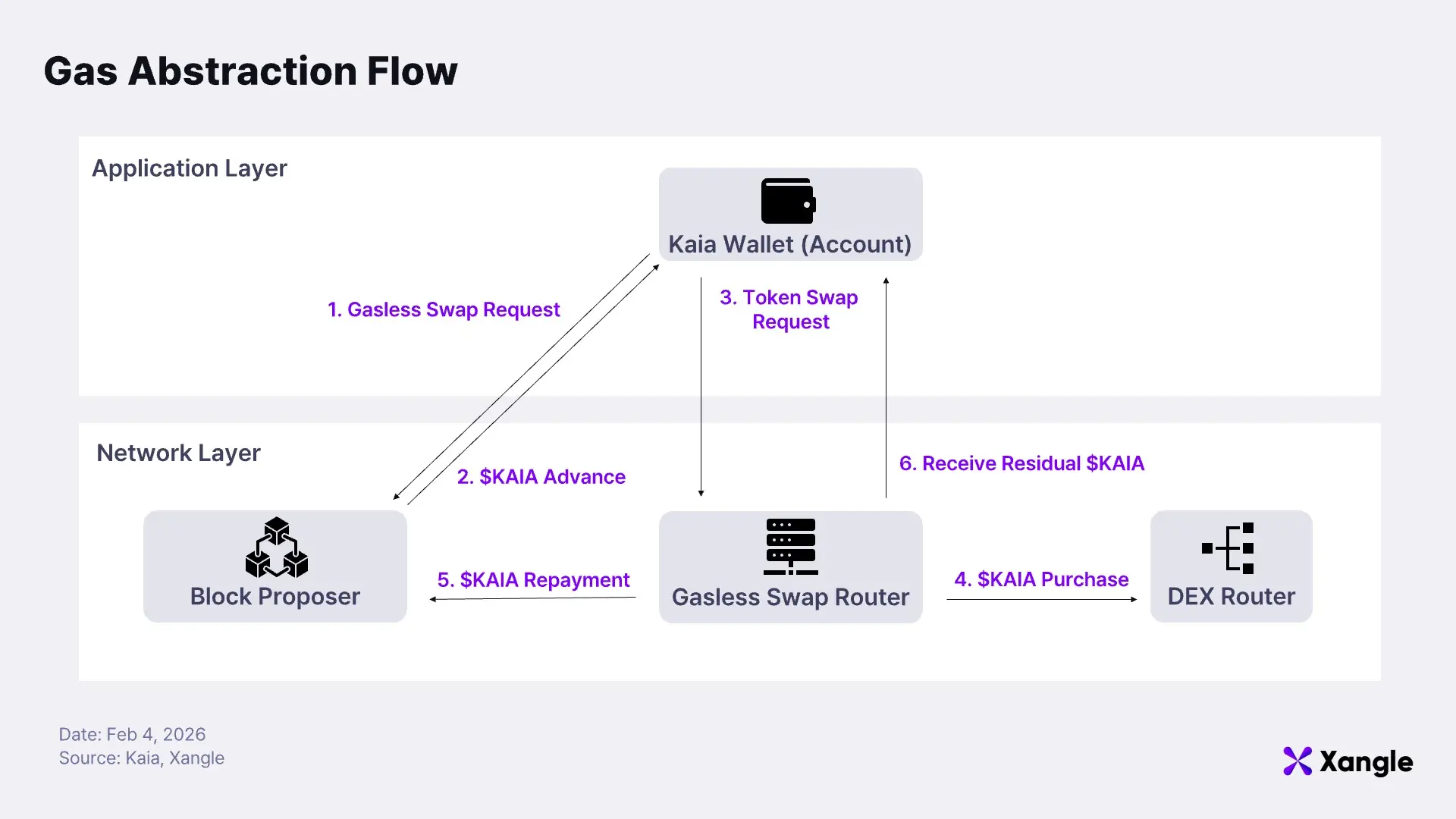
A primary entry barrier in existing Web3 services has been the requirement for users to acquire the network’s native gas token before interacting with applications. Kaia addresses this constraint by implementing gas abstraction at the protocol level. Under this model, users can interact with applications using ERC-20 tokens such as stablecoins without holding $KAIA. Gas fees are initially advanced by consensus nodes, after which $KAIA is acquired using the user’s ERC-20 balance and settled within the same block. Users gain the ability to access applications without managing gas tokens, while developers can design services around stablecoin-based payments and incentive structures.
Consensus Liquidity
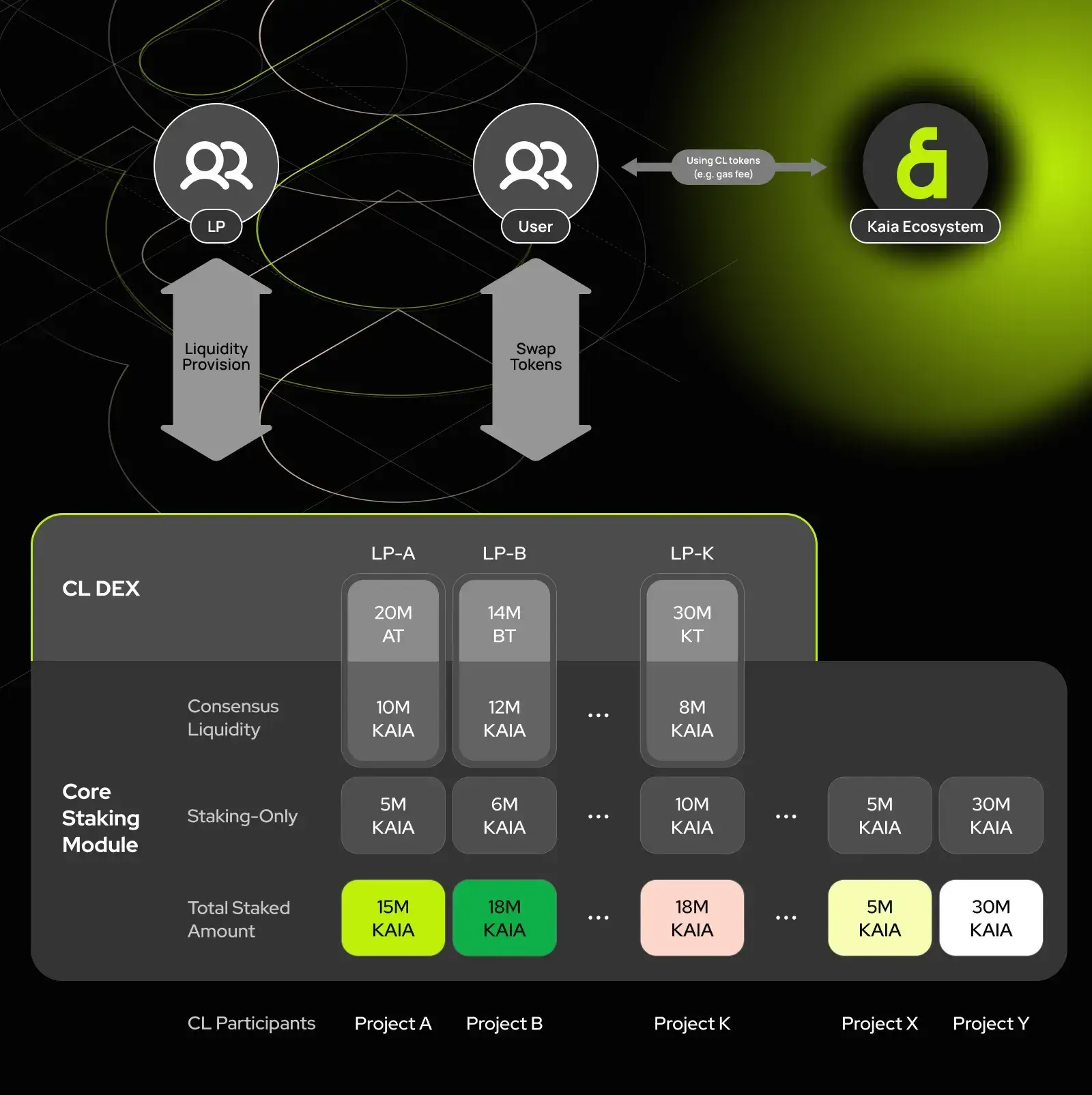
Earning returns on blockchain-based assets has traditionally required a choice between staking for network security or providing liquidity to support trading activity. Kaia combines these functions under the concept of consensus liquidity, allowing user assets to contribute to network security while simultaneously serving as exchange liquidity. Users are positioned to receive staking rewards alongside trading fee income, while the network benefits from concurrent improvements in security and liquidity depth.
MEV Auction
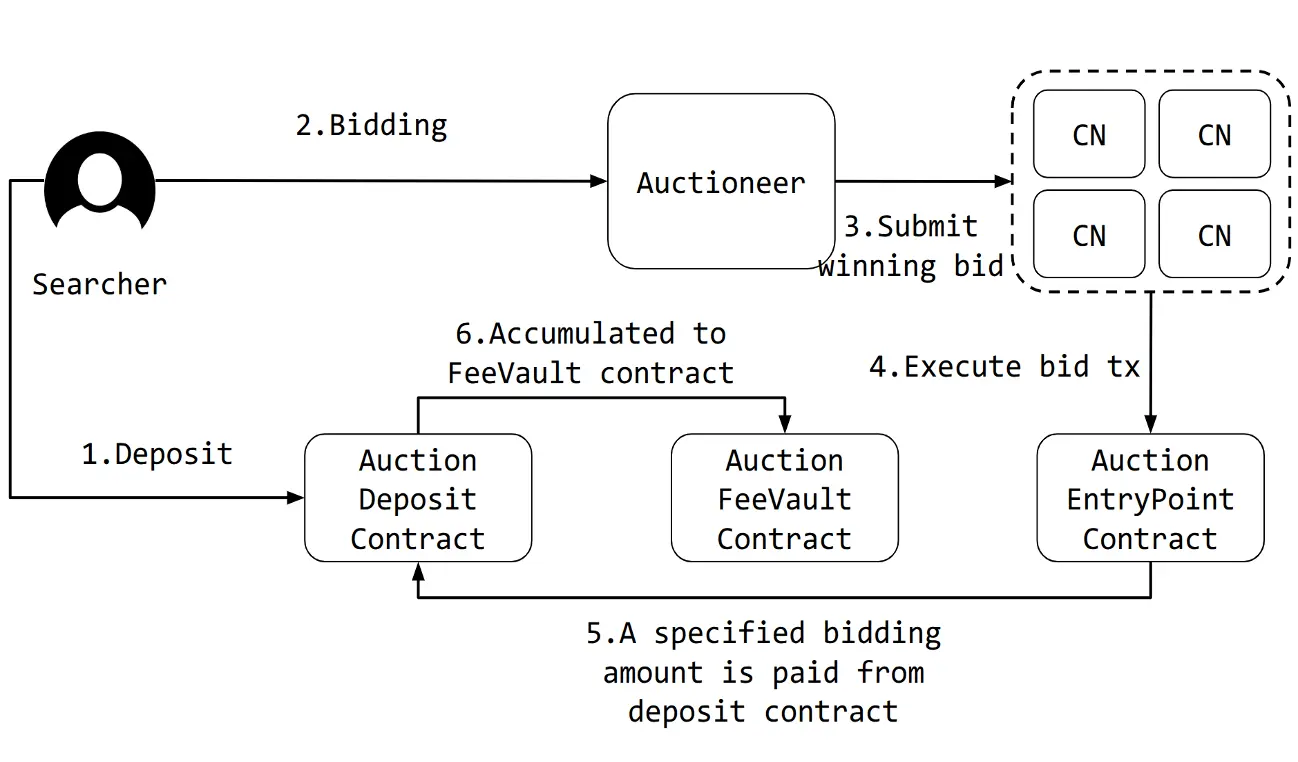
Rather than relying solely on bot suppression, Kaia addresses the systemic inefficiencies caused by arbitrage bots flooding the network with spam transactions through market-based mechanisms. Execution rights for on-chain slots are formalized via a transparent auction process, replacing gas fee competition that previously delayed transactions for regular users. Network congestion is reduced at the source, transaction quality is preserved for non-bot participants, and auction proceeds are burned to reinforce a value-accrual loop at the network level.
Node Storage Optimization (FlatTrie)
As blockchain networks scale, storage increasingly becomes a limiting factor in node operation. Archive nodes must retain full historical state from genesis onward, causing storage requirements to grow in line with network usage. These costs propagate into RPC and data infrastructure expenses, and a shrinking operator set can undermine network resilience while raising ecosystem-wide operating costs. Storage optimization therefore became a core priority for Kaia.
FlatTrie restructures how historical state is stored, reducing redundant data accumulation over time. By minimizing repetition and retaining only necessary state information in a more compact format, FlatTrie significantly lowers storage requirements. Kaia reduced archive node storage from approximately 35 TB to a range of 10 to 20 TB, easing node operating costs and lowering the burden of maintaining critical infrastructure such as archive nodes and RPC services. The result is improved operational stability and greater long-term scalability.
Blob Transactions, EIP-4844
Kaia adopted Ethereum’s EIP-4844 upgrade to materially reduce data processing costs. Blob transactions introduce a dedicated data space separate from standard transaction calldata, lowering the cost of recording data for service chains, high-traffic games, and data-intensive applications operating under Kaia. This implementation positions Kaia as a low-cost, high-efficiency data availability layer capable of supporting a growing downstream ecosystem at the Layer 1 level.
Account Abstraction, EIP-7951
Account abstraction addresses one of Web3’s most persistent onboarding barriers, namely the need for users to directly manage private keys and seed phrases. Kaia supports biometric authentication methods such as passkeys at the protocol level. Messenger users on platforms like LINE and KakaoTalk can create wallets and approve transactions using familiar mechanisms such as Face ID or fingerprint authentication. Asset ownership remains fully user-controlled, while the interaction model retains the usability characteristics of Web2 applications, reducing friction for mainstream adoption.
3-2. Ecosystem and Community Development
LINE Messenger and Mini Dapps
Post-merger ecosystem efforts initially concentrated on LINE and Mini Dapps. The top-down expansion model that links messenger platforms to embedded applications has already been validated within the Telegram and TON ecosystem. Mini Dapps operate directly inside the messenger environment without requiring separate installation, allowing users to access content, games, payments, and reward mechanisms immediately.
A representative case is the Telegram-based Mini App Hamster Kombat, which reached a cumulative user base of 300 million within five months of launch, equivalent to adoption by roughly one-third of Telegram’s total users. Messenger platforms already aggregate large user populations, and Mini Dapps materially reduce onboarding friction by removing installation and registration steps. As a result, messengers function not only as communication tools but also as integrated distribution and onboarding channels for digital services.
LINE exhibits similar structural characteristics, with a user base exceeding 200 million across key Asian markets including Japan, Taiwan, Thailand, and Indonesia. Kaia formalized this Mini Dapp strategy under the “Kaia Wave” program, shifting it from a limited campaign format into a sustained builder pipeline. The program allocates approximately $10 million in $KAIA, complemented by venture capital introductions and marketing support, enabling developers to progress beyond deployment into early growth stages. Access to both grant funding and a large messenger user pool allows teams to test product–market fit rapidly while validating user acquisition, payment flows, and incentive design within a single deployment cycle.
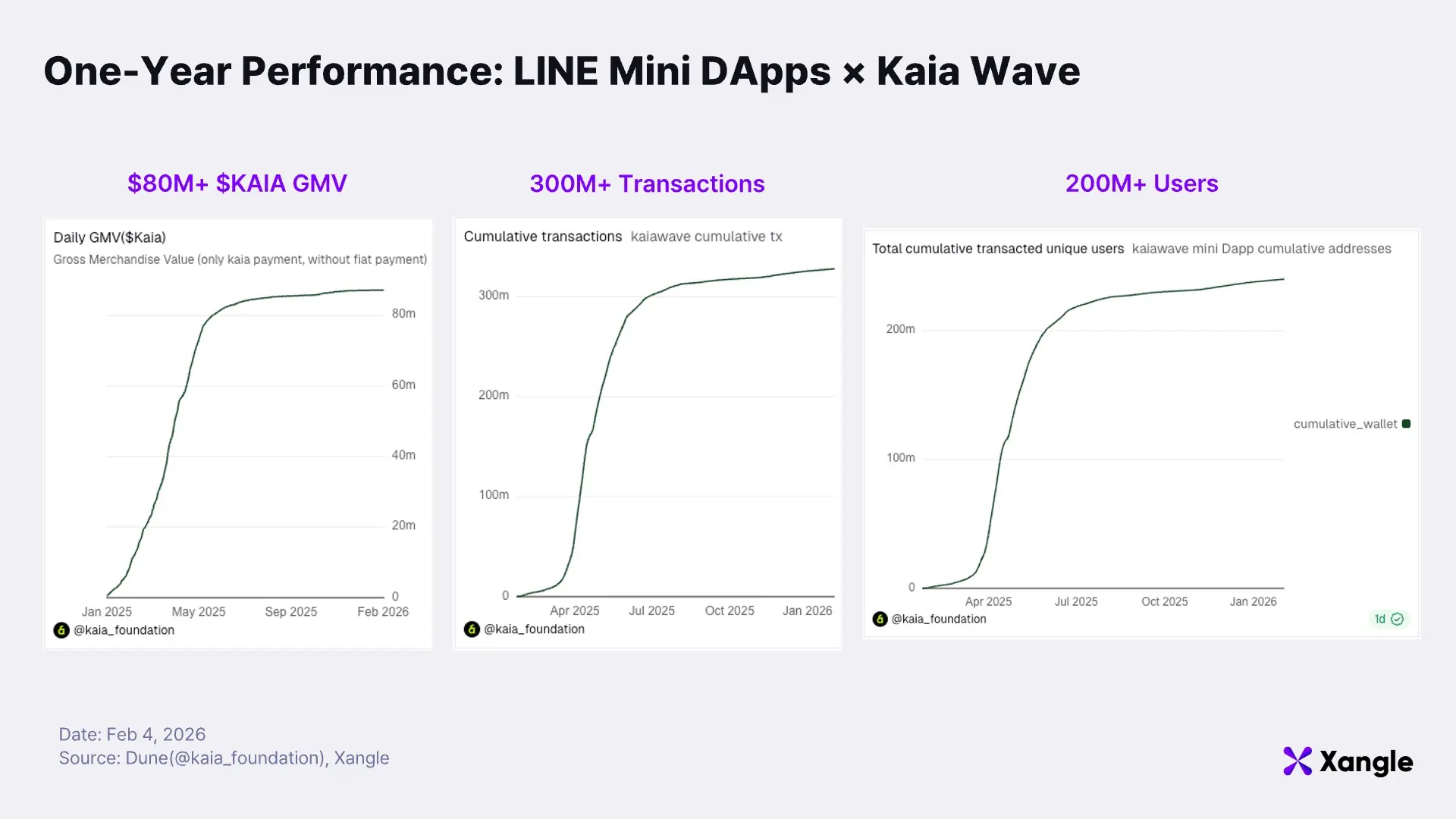
Program outcomes are reflected in early usage data. Within three months of launch, Mini Dapps accumulated approximately 120 million users and 160 million transactions. Over the following year, 92 Mini Dapps were deployed under the Kaia Wave program, indicating sustained developer participation. Payment activity within Mini Dapps reached 87 million $KAIA, equivalent to roughly $5 million, illustrating the viability of conversion from messenger-based engagement to on-chain payments.
Native USDT Integration and Support for Deposits and Withdrawals at Major Exchanges
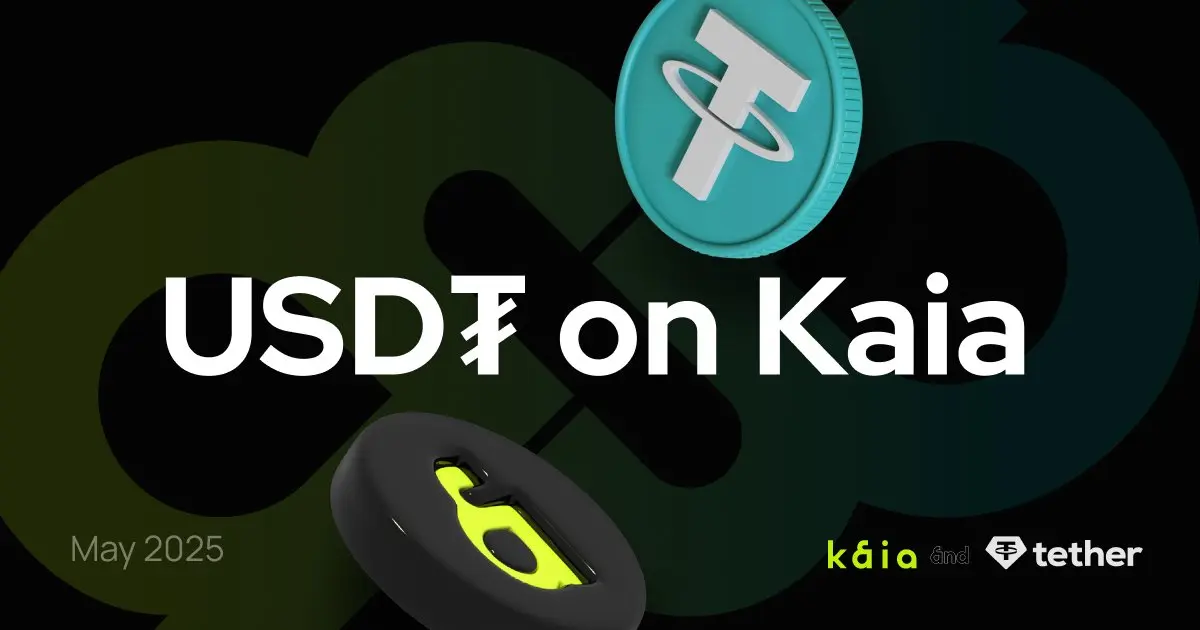
Dollar-denominated stablecoins function as the primary unit of account across the global crypto market, independent of jurisdiction or specific application. On-chain economic activity spanning trading, settlement, and reward distribution is typically denominated in stable assets, while users benefit from reduced exposure to volatility relative to native tokens. Liquidity formation therefore tends to concentrate around stablecoin pairs. Kaia’s integration of native USDT addresses a foundational requirement for a Layer 1 seeking to scale payment, remittance, and settlement use cases.
On- and off-ramp availability represents a complementary constraint. For a network to operate as a payment rail, stablecoin balances must move seamlessly between wallets and centralized exchanges, enabling on-chain activity to interface with real-world capital flows. USDT issued on the Kaia network now supports deposits and withdrawals across major exchanges including Upbit, Bithumb, and Binance. Combined with native USDT support, these exchange integrations establish the distribution pathways required for stablecoins to function in practical payment contexts. Step by step, Kaia has assembled the financial infrastructure necessary to support regional integration across Asia.
Ecosystem and Community Coordination
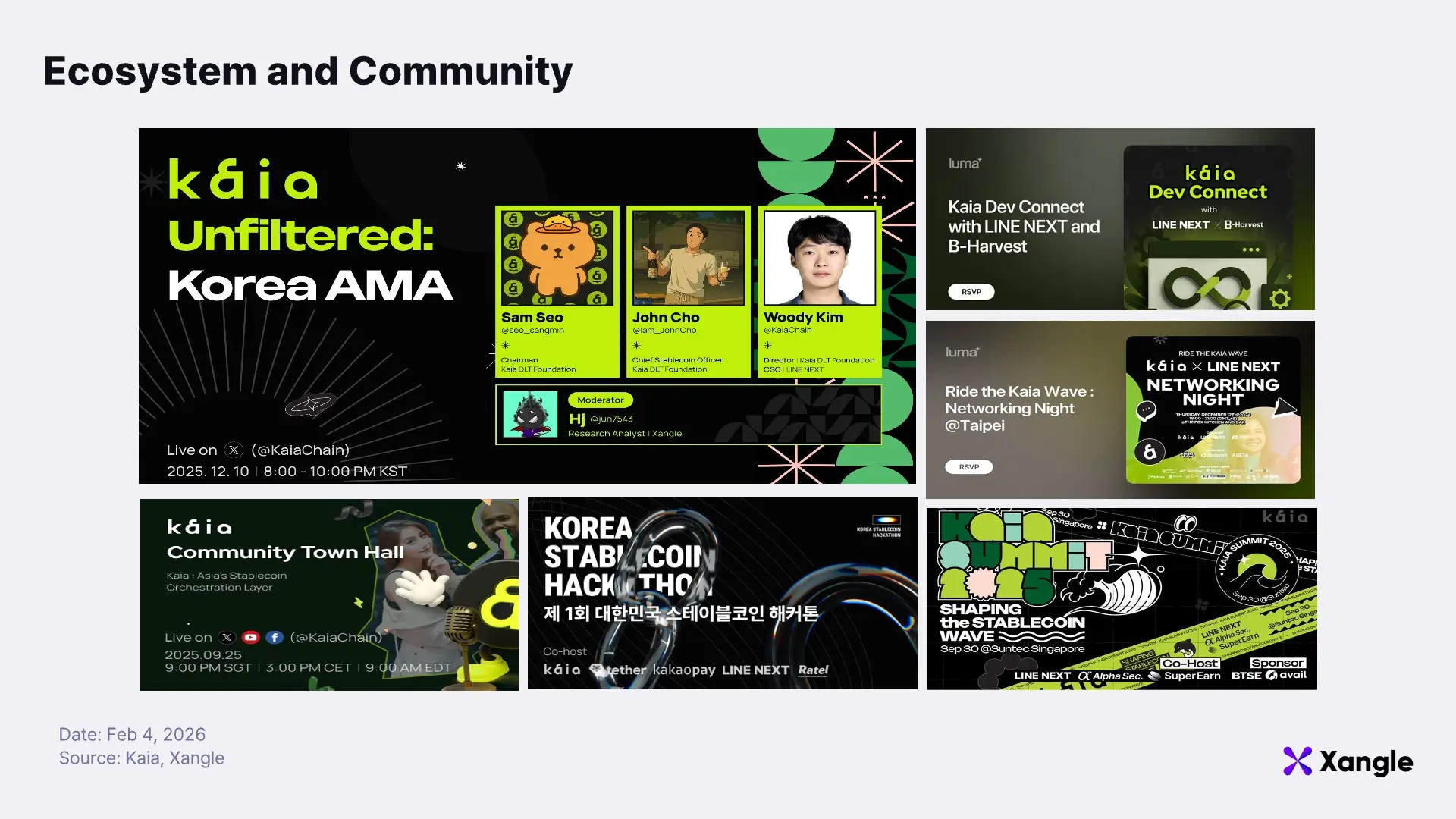
Ecosystem development ultimately depends on the participation of developers and users. Even with a mature protocol and functional payment rails, service composition and long-term user retention remain human-driven outcomes. Kaia’s offline meetups and AMAs therefore serve less as promotional initiatives and more as coordination mechanisms. These forums facilitate rapid information exchange for builders and partners, aligning support policies, technical roadmaps, and execution priorities to increase ecosystem velocity.
The “Korea Stablecoin Hackathon” provides a concrete illustration of this approach. Developer engagement was structured around clearly defined problem spaces, with stablecoin-based payments, settlement, and remittances positioned as core themes. Six winning teams received Mini Dapp onboarding support and were guided toward production-ready deployments. The initiative increased the supply of teams and deliverables capable of immediate launch in payment-critical domains, reinforcing developer community formation while directly contributing to ecosystem expansion.
4. Bottom Line: Opportunity Shaped by Execution Readiness
Following the merger, Kaia did not immediately deliver the visible performance indicators the market had anticipated. Instead, priority was placed on protocol upgrades designed to ensure the network can handle large-scale usage in a stable and cost-efficient manner. Key initiatives included gas abstraction, which lowers user entry barriers by removing the need to pre-hold gas tokens, and storage optimization, which mitigates operational burdens that increase as network activity scales. These efforts reflect a deliberate focus on establishing foundational capacity in advance, based on a potential user base of approximately 250 million across LINE and KakaoTalk.
The emphasis on ecosystem and community development follows the same logic. User adoption cannot scale in the absence of sufficient service supply. Kaia expanded application availability through messenger-native Mini Dapps and structured builder support programs, while simultaneously strengthening payment and settlement functionality via stablecoin integration and exchange on- and off-ramps. Together, these measures reinforced the conditions required for on-chain activity to translate into sustained usage.
Viewed across these dimensions, the Kaia merger aligns closely with the characteristics of a successful integration along three criteria. First, economic integration was achieved through a unified token system and the elimination of uncirculated supply. Second, a clear network objective centered on messenger-based distribution was established. Third, strategic execution remained consistent post-merger, with LINE Mini Dapps serving as the primary distribution channel. By contrast, other high-profile integrations, such as the ASI alliance among AI-focused projects, encountered internal friction related to token disposal, governance control, and roadmap alignment. The eventual withdrawal of Ocean Protocol underscored the fragility of integrations where economic alignment and execution continuity diverge. Relative to such cases, Kaia demonstrates tighter alignment across economic structure, stakeholder incentives, and execution direction.
The merger itself can be considered successful; however, achieving Asia-wide integration remains a long-term objective. Stablecoins have recently emerged as a defining opportunity, particularly in the United States, prompting a rapid reordering of market narratives. Kaia has begun aligning this shift with its Asia-integrated Layer 1 strategy. The critical next phase lies in translating the groundwork already established into observable data, as usage across KakaoTalk, LINE, and stablecoin-based transactions accumulates and substantiates the integration thesis. How effectively this transition unfolds will determine Kaia’s ability to convert preparation into execution at a key inflection point.
Disclaimer
I confirm that I have read and understood the following: The information contained in this article is strictly the opinions of the author(s). This article was authored free from any form of coercion or undue influence. The content represents the author's own views and does not represent the official position or opinions of CrossAngle. This article is intended for informational purposes only and should not be construed as investment advice or solicitation. Unless otherwise specified, all users are solely responsible and liable for their own decisions about investments, investment strategies, or the use of products or services. Investment decisions should be made based on the user’s personal investment objectives, circumstances, and financial situation. Please consult a professional financial advisor for more information and guidance. Past returns or projections do not guarantee future results. This article was written at the request of Kaia. All content in this article was written independently by the author(s), and neither CrossAngle nor Kaia had any editorial control or influence over the content. The author(s) may hold the cryptocurrencies mentioned in this article at the time of writing.
Xangle or its affiliated partners own all copyrights of the written or otherwise produced materials and content provided on the platform. Any illegal reproduction of such content, including, but not limited to, unauthorized editing, copying, reprinting, or redistribution will result in immediate legal actions without prior notice.
![[CIS Partner Summit Highlights] Ault's Financial Super App Strategy: OnlyBulls](https://resource.xangle.io/files/content/C1A19E1DB41B7FB86076143803C40D8E_1790125531662.webp)
![[Xangle RWA Series] Solana RWA: A Look at the Key Players](https://resource.xangle.io/files/content/F779A005246C0299246537AACB3A39F2_1782287059970.webp)